First Light
Nestled on a mountain top, 1500m above sea level in Chile, the latest great Earth-based telescope system recently captured its first photographs of the cosmos. Astronomers call this First Light.

Nestled on a mountain top, 1500m above sea level in Chile, the latest great Earth-based telescope system recently captured its first photographs of the cosmos. Astronomers call this First Light.

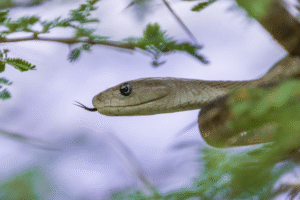
When most people think of snakes, especially the infamous black mamba and the cryptic puff adder, they envision stealthy predators slithering through the undergrowth. However, beneath the surface of their unwarranted fearsome reputations lies a lesser known but equally fascinating aspect of their lives: their breeding behavior during the cooler winter months.

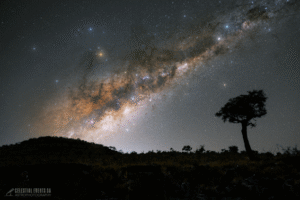
Winter is here! Not only does winter mean a break from the cripplingly oppressive Hoedspruit heat, but it also means, Milky Way season! What better way to take advantage of the cloudless winter conditions than to capture your very own photo of our galaxy’s great spiralling arms reaching into the sky like a cosmic ladder to the heavens.

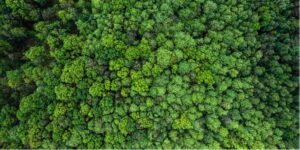
The study has strong implications for Africa where natural grasslands and savannas are often misguidedly and inappropriately converted to forests, which can actually harm biodiversity and even exacerbate global warming.

Just a short drive from Port Elizabeth and nestled along South Africa’s celebrated Garden Route, Kariega Game Reserve has become a beacon of conservation success and luxury eco-tourism. This malaria-free, family-owned Big-5 reserve spans an impressive 11,500 hectares of diverse wilderness, making it one of the Eastern Cape’s most remarkable private game destinations.

Recently, the world was introduced to a potential thrilling breakthrough for space science, when NASA’s latest great observatory, the James Webb Space Telescope (JWST), spotted something quite unexpected on a distant exoplanet called K2-18b.

There has never been a more urgent – or opportune – time to rethink the future of conservation in Africa.

In one of the most dramatic races against time, and an unprecedented coordinated wildlife rescue mission southern Africa has ever seen, 84 vultures have been pulled back from the brink of death after a massive poisoning event in Kruger National Park.
The Karoo Origins fossil centre, housing the Rubidge family’s unique collection of fossils from the area, including what globally respected palaeontologist Professor Bruce Rubidge described as the biggest collection of unique species in the world.

Easter has been and gone, but I thought it might be nice to explore some (admittedly tenuous) links to Easter in the night sky for May.