Kruger2canyon News

Cosmic Creatures of the Lowveld 

Many of us fortunate enough to reside in Hoedspruit were drawn here to share our lives with the rich and diverse animal life that thrives in and around the area. From the cool forests of the escarpment, to the glistening waters of the Blyde River Canyon, and the expansive paradise of the Kruger National Park, this region is a mecca for wildlife lovers.


However, above our heads lies one of the most diverse ecosystems in the galaxy, literally.  Despite the slow but inevitable spread of light pollution, with the right equipment, a healthy dollop of imagination, and maybe the imbibing of some good quality wine…, Hoedspruit’s night skies offer a multitude of animal-based sightings that would be the envy of any aspiring wildlife photographer, artist or aficionado.

Here are my favourite ‘Big 5’ nature-related areas of the cosmos, all photographed from right here in our very own wilderness wonderland.


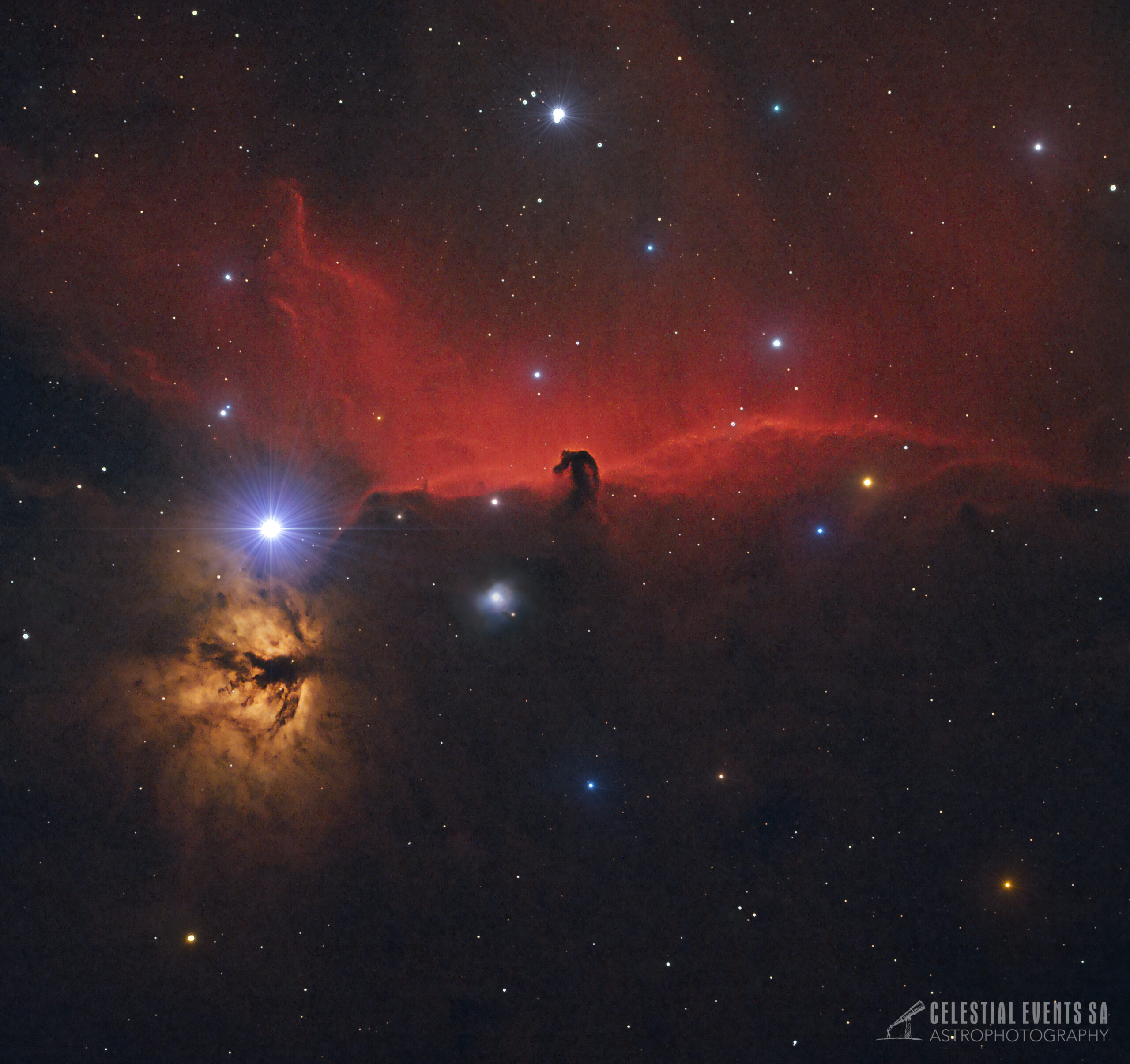
The Horsehead Nebula (Orion)

The Horsehead Nebula

Rising from the glowing clouds of Orion, the Horsehead Nebula might look more at home on the African plains – its dark, striped silhouette resembling a zebra’s profile standing against the stars. This ethereal equine is actually a dense tendril of cold gas and interstellar material, silhouetted against luminous hydrogen, sculpted by the fierce energy of nearby massive stars.

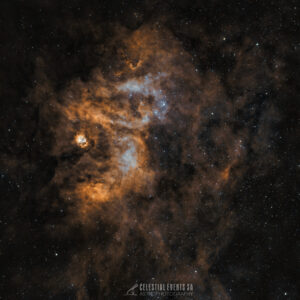
The Seagull Nebula (Canis Major)

The Seagull Nebula

With wings stretched wide, spanning hundreds of light years, the Seagull Nebula appears to glide silently through the southern sky. Its distinctly avian form, with its head poised in flight, is shaped by immense clouds of glowing hydrogen, with dark filaments tracing the graceful outline of the soaring seabird.

Sh2-54 (Serpens Cauda)

Emerging from the darkness, Sh2-54 bears an uncanny resemblance to a lion’s head, its open mouth seeming to roar across the heavenly savanna. What looks like a celestial beast is actually a vast region of effulgent hydrogen and opaque material, contoured by the intense energy of the stars hidden within it.

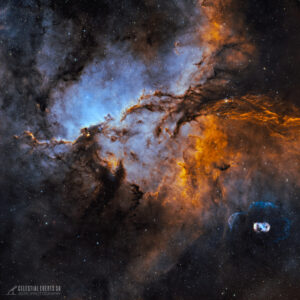
The Fighting Dragons (Ara)

Two celestial dragons rear up towards one another, forever locked in battle over a glowing cosmic egg. Yet this ancient mythical scene is not inscribed in stone or parchment, but one written across the heavens. The dragons are shaped by powerful stellar winds and energy, while their ‘egg’ is an expanding shell of interstellar material; a violent shockwave expelled by the massive star at its centre.

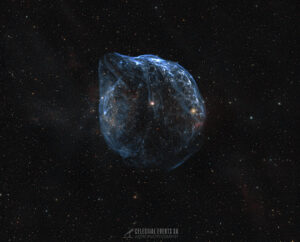
The Dolphin Head Nebula (Canis Major)

Rising from a sea of stars, the Dolphin Head appears uncannily like a dolphin breaking the water’s surface, its curved snout and rounded head immortalised in glowing gas and shadow. The shape is created by enormous clouds of material hewn by the shockwave and vast stellar winds emanating from its central hyper-luminous star – an exquisite aquatic portrait painted upon a cosmic ocean.

Ben Coley

Celestial Events SA


Ben Coley / Celestial Events SA can be contacted on 079 575 0900.

Share this post:

Related Posts

A Year of Bird Song: Celebrating the Big Year of African Sounds

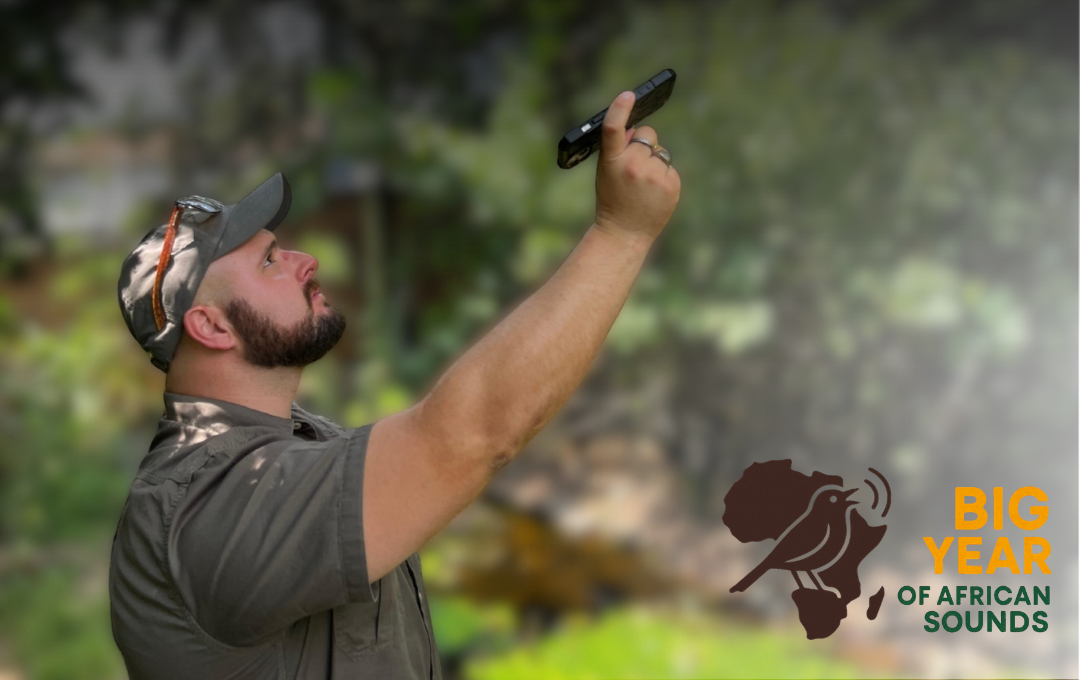
I have spent much of my birding journey fortunate enough to listen for birds before I see them. Long before a Narina Trogon reveals its almost incomprehensible palette of colours, its harsh, frog-like call often gives it away. Long before you begin to realise that summer has arrived, the duet of a Woodland Kingfisher pair echoes through the woodland. Their arrival marking the true onset of summer. For anyone who has spent time birding, sound is not a supplement to birding. Rather, it is often the first, only, and most reliable clue that nature presents you with.
Read More »

Dr Mike Peel Receives SAWMA Wildlife Excellence Award 2026

Dr Mike Peel, Specialist Scientist and Ecologist at ARC Animal Production, Range and Forage Sciences, has received the Southern African Wildlife Management Association’s 2026 Wildlife Excellence Award, presented on 3 September at the SAWMA Conference Gala Dinner at Cradle Moon Lakeside Game Lodge.

Read More »

African Wild Dogs Travelled Over 4,000km to Find Mates – Why That’s Good News for the Endangered Species

In 2021, a three-year-old female African wild dog spent a year travelling more than 2,300 kilometres across southern Africa. She climbed in and out of the Rift Valley in Zambia, swimming rivers, crossing major highways, and slipping past towns before crossing the Zambian border into Mozambique, then on to the border of Zimbabwe. It was one of the longest journeys recorded for the species.

Read More »
Kruger to Canyon weather

Live Weather

loader-image
Hoedspruit, ZA
11:46 pm, October 19, 2026
27°C
scattered clouds
41 %
Wind Gust: 0 mph
Clouds: 40%
Sunrise: 5:19 am
Sunset: 6:02 pm
loader-image
Tzaneen, ZA
11:46 pm, October 19, 2026
15°C
clear sky
46 %
Wind Gust: 2 mph
Clouds: 0%
Sunrise: 6:24 am
Sunset: 5:43 pm
loader-image
Phalaborwa, ZA
11:46 pm, October 19, 2026
15°C
overcast clouds
89 %
Wind Gust: 10 mph
Clouds: 99%
Sunrise: 5:09 am
Sunset: 6:08 pm
loader-image
Graskop, ZA
11:46 pm, October 19, 2026
16°C
broken clouds
67 %
Wind Gust: 6 mph
Clouds: 70%
Sunrise: 5:19 am
Sunset: 6:03 pm