Between March 2024 and February 2026, the Upper Letaba Catchment Restoration Project transformed the landscape of the Upper Groot Letaba catchment while strengthening partnerships, creating jobs, and securing vital water resources for the region. What began as an invasive alien plant clearing initiative evolved into a landscape-scale restoration effort that is now helping to catalyse long-term stewardship, scientific research, and community collaboration across the Wolkberg escarpment.
Located around the town of Haenertsburg in Limpopo Province, the project operates within a landscape that includes some of South Africa’s most important high-altitude grasslands and water source areas. The Upper Groot Letaba Catchment forms the headwaters of the Letaba River system, feeding the Ebenezer and Tzaneen dams and ultimately supporting agriculture, rural settlements, and economic activity across the Lowveld. Water from this catchment is also transferred to Polokwane, the capital of Limpopo, highlighting the national importance of protecting this strategic water source area.
Over the two-year implementation period, the project exceeded its ecological restoration targets. Teams completed 1,646 hectares of initial invasive alien plant clearing and 823 hectares of follow-up clearing. By removing water-intensive invasive species such as black wattle, pine, blackwood, and bugweed from wetlands, riparian corridors, and grassland remnants, the project has contributed to an estimate of more than 720 million litres of water per year returning to the natural system.
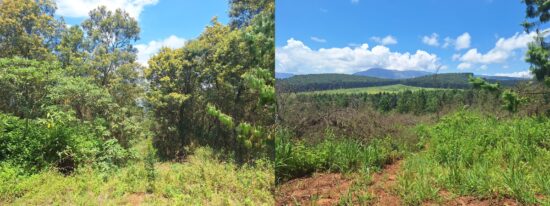
The ecological benefits extend beyond water recovery. Clearing activities helped reconnect fragmented patches of Woodbush Granite Grassland, a critically endangered vegetation type found almost exclusively in this part of Limpopo. Restoring these habitats strengthens ecological corridors between protected areas such as Haenertsburg Nature Reserve, Ebenezer Nature Reserve, River Park Nature Reserve and surrounding landscapes. These corridors improve biodiversity resilience while helping to restore ecological processes across the catchment.
Equally significant has been the project’s socio-economic impact. The restoration programme created 40 green job opportunities, exceeding the original target of 30. Of these workers, 18 were women and 20 were youth, demonstrating the project’s commitment to inclusive employment and skills development. Workers received accredited training in chainsaw operation, fire awareness, snake safety, and personal finance, building a skilled workforce capable of contributing to future restoration initiatives.
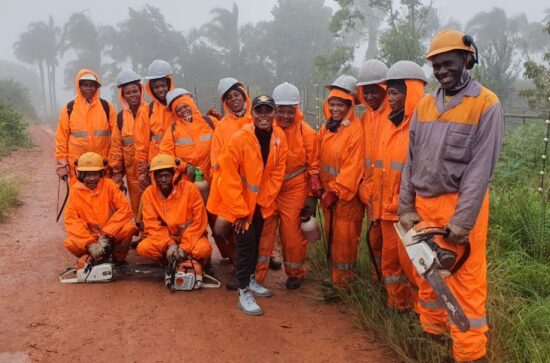
Local contractor Hlole Development Programme, led by Jessica Letsoalo, played a central role in delivering the clearing work. Through the project, the company expanded its operational capacity and secured additional private clearing contracts from landowners in the catchment. This growth not only strengthened the local restoration economy but also ensured that invasive plant management continues beyond the formal project footprint.
The project has also opened opportunities for research and environmental learning. In partnership with the University of Limpopo and local conservation organisations, researchers established 60 permanent monitoring transects across cleared sites to track grassland recovery. These monitoring plots compare areas under passive recovery, fire management, and livestock grazing to better understand how different management approaches influence long-term ecosystem resilience.
More than 100 students and volunteers have participated in ecological monitoring and pollinator surveys through the project. These activities have turned the Upper Letaba catchment into a living laboratory for understanding how high-altitude grasslands recover following invasive plant clearing.
The project has also strengthened landowner stewardship across the catchment. Landowners who participated in clearing operations are now actively maintaining restored areas through follow-up clearing, rotational grazing, and coordinated fire management. Several have also begun restoring riverine buffers and grasslands beyond the original project sites, demonstrating the growing momentum for conservation-led land management.
Importantly, the success of the Upper Letaba Catchment Restoration Project has laid the foundation for continued restoration and follow-up work across the landscape. Plans are already underway to extend clearing operations, strengthen stewardship agreements, and expand research activities that support long-term ecological recovery.
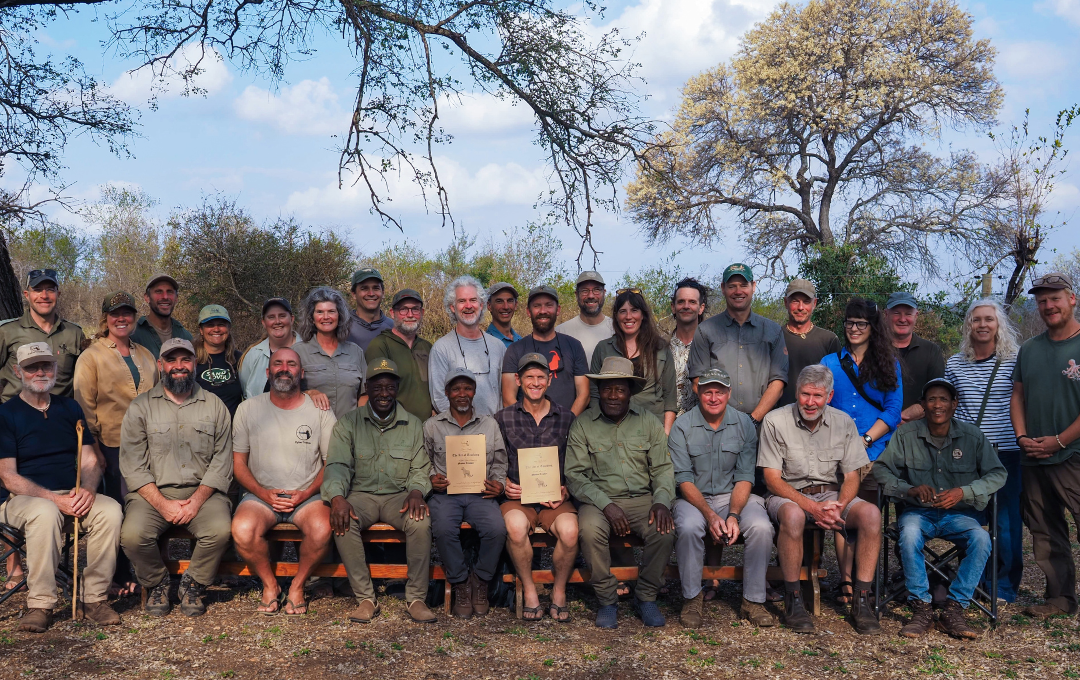
The achievements of the past two years would not have been possible without the collaboration of a wide network of partners, landowners, researchers, and community organisations working together across the catchment. A special thank you goes to the project’s funders and implementing partners: The Nature Conservancy (TNC), the Global Water Challenge (GWC), and Coca-Cola Beverages South Africa (CCBSA), and local NGO Mountain Environmental Watch (MEW) whose support made this work possible.
Together, these partnerships have shown that restoring critical water source landscapes is both achievable and essential. As the Upper Letaba catchment continues its recovery, it stands as a powerful example of how restoration, science, and stewardship can work together to secure South Africa’s water and biodiversity for generations to come.