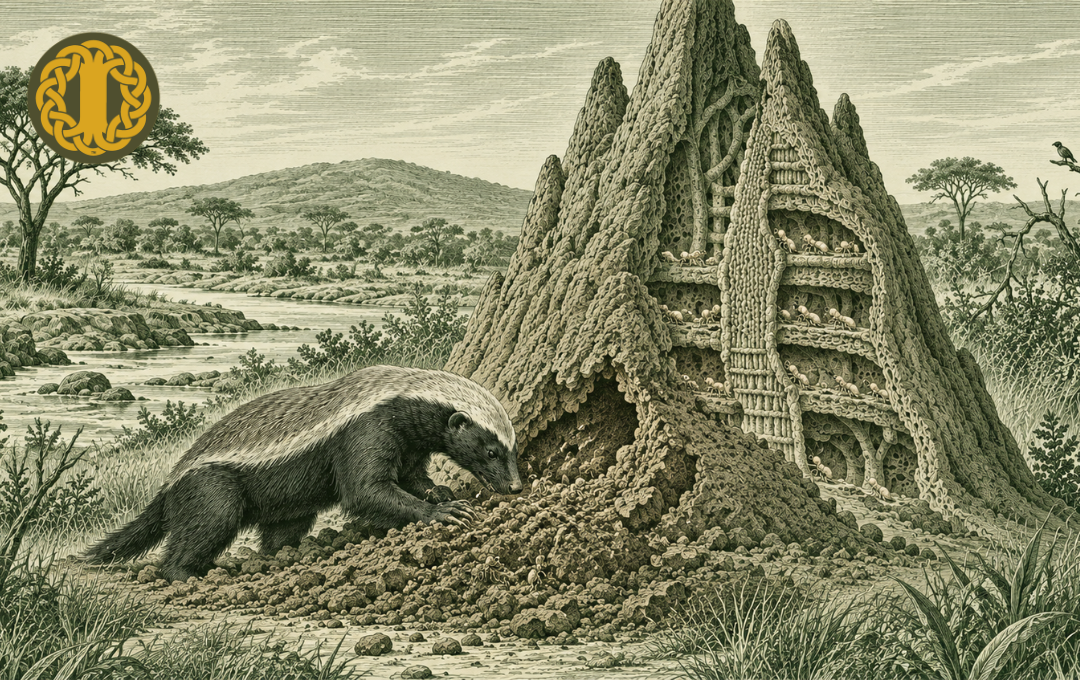
Most animals avoid detection by a type of deception called camouflage (also called disguise). This strategy is not only used by prey in defence, but many predators also use it in order to hunt effectively. Four basic types of camouflage are generally recognised, and each has a slightly different function, although they all disguise the presence of the animal.
Concealing colouration – this is when the body colour of the animal is the same as the vegetation or ground colour on which it finds itself. Most of our local species that blend into soil, grass, etc., use this camouflage technique. It is the most common form of camouflage, for example in lion.
Counter shading – this refers to concealing colouration where the back and belly colours of the animal are different – each colour being used for concealment when viewed from above or below. The dark ground matches the back when seen from above, while the light sky matches the belly when seen from below. This shading also tends to ‘flatten’ the animal against the ground when seen in black and white (eyesight of most mammals) making it more difficult to see. Examples are lion and impala.
Disruptive colouration – mammals use spots, stripes or other patterns on the coat to ‘break up’ their body outline so that it blends into the background. Its overall shape is disguised to be all but invisible. Because most mammals have only black and white vision, relying on movement and shape, this can be a very successful strategy for prey and predator alike. Kudu, leopard, bushbuck, zebra and serval, among others, are classic examples of this camouflage.
Disguise – this can easily be confused with concealing colouration, but it is when the animal physically (its shape) looks like something non-living in its environment as well as being the same colour. A grasshopper looking like a leaf or a stone is an example of this.
What causes dark and light animals?
Both these conditions are caused by a pigment called melanin. Melanin is, in fact, just a generalisation for a number of different ‘dark’ body pigments. Different types of melanins occur naturally in the bodies of mammals at various locations, such as eumelanin and pheomelanin in hair, skin and fur. Melanins are also found in the inner ear and retina of the eye. Melanin is produced in special cells called melanocytes that then create small melanin-filled vesicles called melanosomes that work their way into ordinary skin cells in the epidermis, collecting around the cell nucleus. Melanin is a natural filter for ultraviolet (UV) radiation – in other words it’s a natural sunscreen – so the cell is protected from injury or destruction by the harmful ionising effect of UV radiation. Melanin, therefore, helps animals that are exposed to prolonged bouts of sunlight to survive its harmful effects. The genes that control melanin production are, however, occasionally faulty and can produce the following extremes:
Melanism – this is the result of too much melanin being produced. Not only do the animals become darker (which can negatively affect their reproduction and survival chances) but areas of the body that normally lack (or have very little) melanin become saturated with the pigment giving a very different overall external appearance. The most notable melanistic mammals locally are the black impala and black springbok (small captive herds of each). Outside of southern Africa we also have the so-called black panther (a melanistic jaguar from South America and a melanistic leopard from India). There have apparently been recent sightings of melanistic leopard in South Africa. It must be noted that these are not different species or even subspecies, but are merely genetic mutations (also called aberrant forms) of the same species as a result of recessive genes. There is a possible negative health risk of melanism – besides the possible problems of camouflage. Because melanin naturally acts as a sunscreen by effectively absorbing and diffusing UV radiation, inadequate amounts of sunlight filter through the skin. This means that the body cannot produce enough vitamin D – a necessity to prevent bone disorders.
Albinism – this is the opposite of melanism and describes the unusual condition of not enough (or no) melanin and being produced. Again this is caused by a recessive gene, these animals are therefore only variations of the same species. True albinism Involves virtually no pigments whatsoever (although pigments can be present). The condition is more correctly defined by poorly developed retinas and abnormal nerve connections between the eyes and brain, as well as involuntary shaking of the eyes. Partial albinism is, however, far more common. Although there are many different types, the most common is leucism.
There are a number of different species that exhibit this phenomenon, with the most common ‘white’ or ‘leucistic’ mammals being kudu, impala, bushbuck, buffalo, lion and giraffe. Although at first appearing pure white, they all tend to have limited melanin production on some parts of the body, and the iris generally has pigmentation. The biggest problem with albinism is the lack of protection against UV radiation, and many suffer photosensitivity. Another problem of course is the fact that they are incredibly conspicuous, making long-term survival in natural habitats not only difficult but highly unlikely. Interestingly, it has been noted that in these mammals, the lack of melanin in the inner ear – through unknown mechanisms – results in hearing impairment or even total deafness. Lack of dark pigment in the eyes (blue pigment is usually present) also makes the iris more opaque and lets light through to the retina (adding to that from the pupil) causing eye damage. Leucism can occur because of genetic inheritance, nutritional stress or as a result of externally influenced mutation during juvenile development.
Excerpts from ‘Beat about the Bush – Mammals and Birds’ by Trevor Carnaby, Published by Jacana Media, Second Edition reprint 2018.