The K2C-TASC cookstove team reached its 2026 distribution target in August, closing out a demanding phase of a project that is about much more than handing out stoves.
On paper, 50,000 is an impressive round number. However, achieving it meant months on the road, moving from village to village, meeting Traditional Authorities, training community members and dealing with everything from difficult roads and vehicle breakdowns to service delivery protests that could bring distribution to a halt for days at a time.
In late August, the K2C-TASC cookstove project distributed its 50,000th stove for 2026, meeting the target set for this phase of the programme. It was a significant moment for the distribution team, but also one that tells only part of the story.
Why Cookstoves?
Across parts of the K2C landscape, many households still rely on wood and open fires for everyday cooking. That can mean collecting substantial amounts of firewood and cooking in spaces filled with smoke.
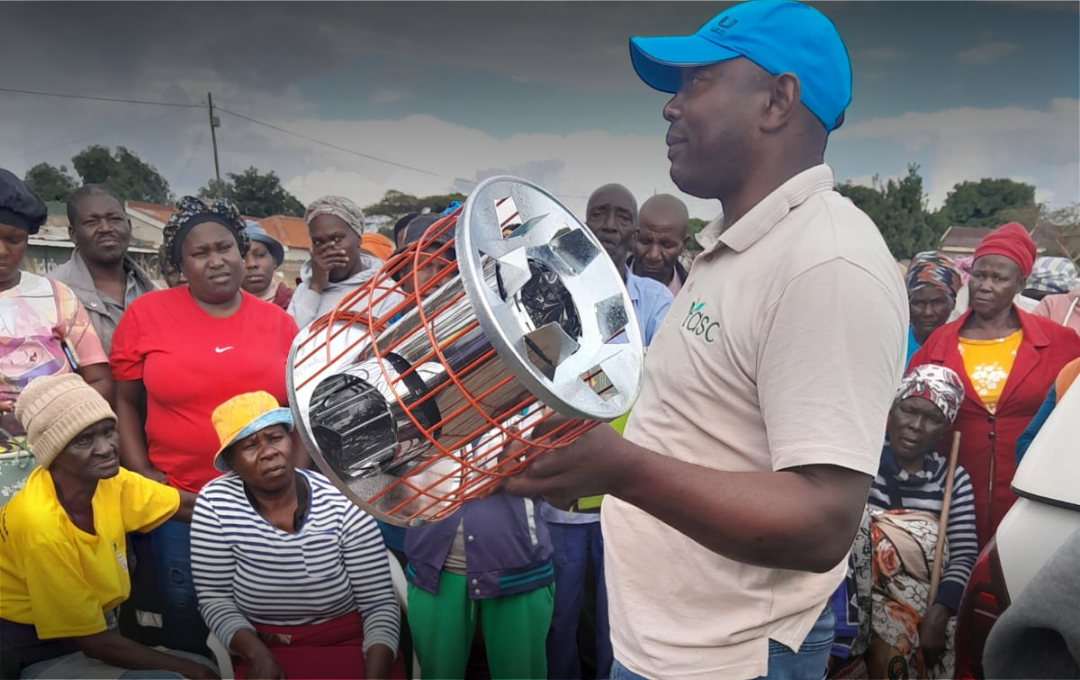
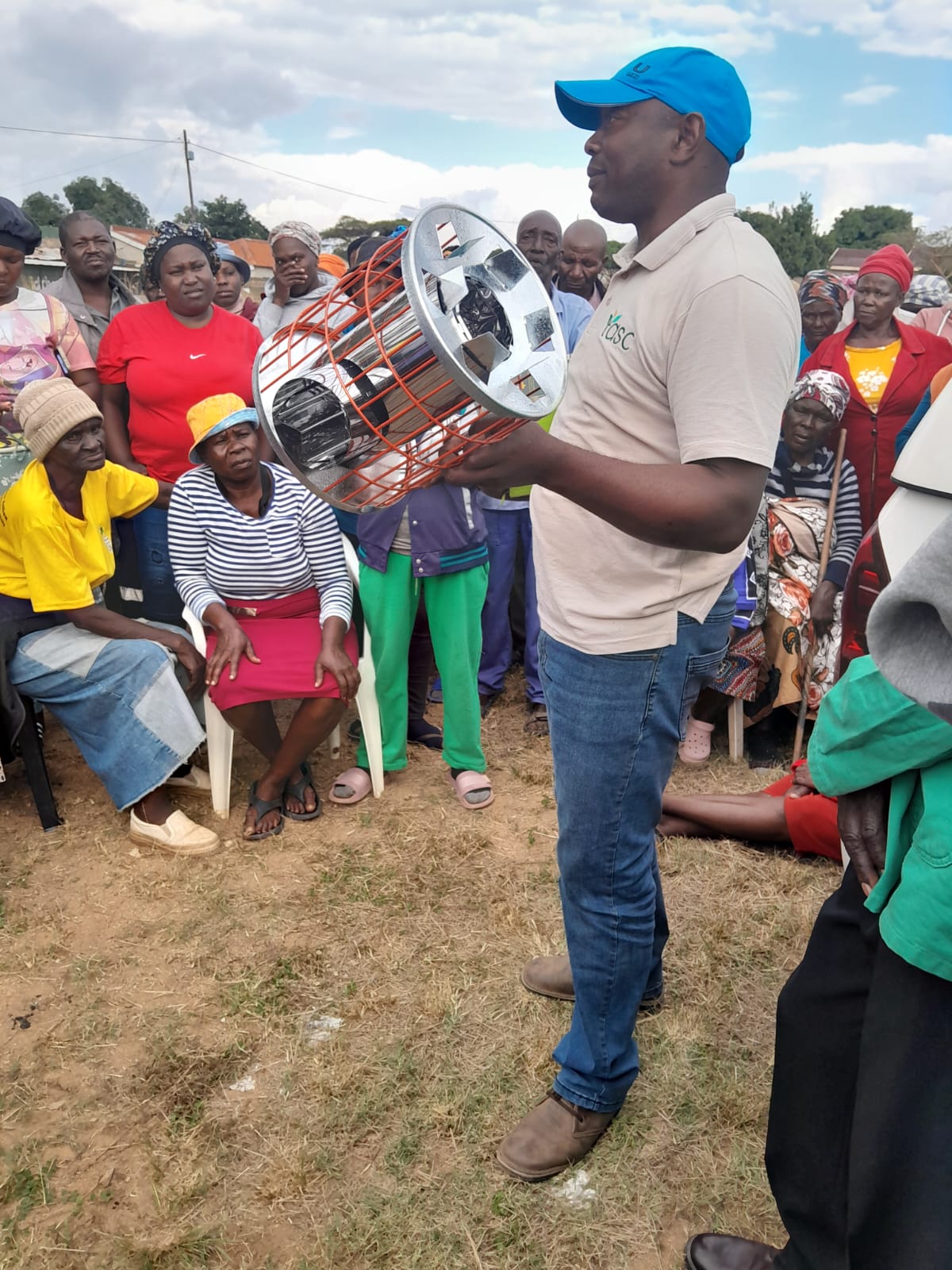
The K2C-TASC project provides qualifying households with fuel-efficient rocket stoves at no cost. Instead of burning large pieces of firewood on an open fire, the stove can be fuelled with small sticks and twigs. Around 250 grams of wood can boil five litres of water.
This can make a significant difference at household level: fewer indigenous trees harvested for fuel, less time and energy spent collecting wood, and less smoke is produced (and inhaled) while cooking.
The project, a partnership between the K2C Biosphere Region NPC and carbon finance and project development company TASC, is funded through carbon credits generated from the reduction in emissions associated with more efficient cooking.
But distribution is only one part of the process. Before teams arrive with stoves, they work with local leadership and communities to explain the project, why an area has been selected and how the stoves work. Community members are shown how to use them, and monitoring teams return afterwards to find out whether they are being used, assist where there are problems and repair or replace stoves where necessary.
For the 2026 distribution alone, this meant working across 32 villages, in partnership with five Traditional Councils and 15 Ward Councillors. Each new area required engagement and coordination before distribution could begin, giving a sense of the groundwork behind reaching the households.
When the Plan Meets Reality
It is an approach underpinned by the relationships built, and not a case of dropping off a stove and moving on. That approach also means that reaching a target such as 50,000 involves much more than distributing stock.
Distribution teams cover large distances, often travelling on difficult roads to reach households. Vehicle problems can quickly affect a day’s numbers. Community circumstances can change, and plans made in advance are frequently derailed by circumstances on the ground.
During the 2026 distribution, service delivery protests were one of the more significant disruptions. In some areas, teams were unable to work and lost several distribution days, putting daily and weekly targets under pressure.
The team also reported occasional attempts by local political representatives to associate the cookstove distribution with party activity or use it as a campaign tool. The project team responded by consistently explaining that the stoves were not linked to a political party, government programme or tender, and maintain the projects focus on its environmental and community benefits.
That work paid off. Regular engagement with Traditional Authorities and other community leadership structures helped the teams to navigate disruptions, communicate what the project was there to do and, when conditions allowed, safely return to work.
When lost days began accumulating, the team had to adjust and make up ground while continuing to train users properly, rather than just chasing numbers.
And they did – by late August, a month ahead of the expected completion, stove number 50,000 had been distributed.
“Reaching 50,000 cookstoves is a milestone I am incredibly proud of. But beyond the number, I see 50,000 households, countless community engagements and a team that continued to push forward despite the challenges we encountered along the way,” said Herrel Mohlala, K2C TASC Cookstove Carbon Project Manager.
What Happens After the Stove Arrives?
Reaching the distribution target does not mean the work is finished. The real value of these stoves will be seen in how they are used in households across the K2C landscape over time. Accordingly, the project’s focus now shifts towards monitoring: understanding how the stoves are being used, where support or repairs are needed, and what can be learned from the communities using them.
These return visits are also about more than the stove itself, which may be the starting point, but the relationships built through the project often open a much wider conversation. Distribution and monitoring teams hear directly about concerns and opportunities in the communities they work in. They create opportunities to talk about wood harvesting, pollution and the sustainable use of natural resources. And, where relevant, open the door to connecting the communities to other K2C programmes and teams working across the landscape.
Reaching the Target, Continuing the Work
While the work does not stop here, for the team that spent months working towards the 50,000 target, achieving it is worth celebrating.
Behind that number are thousands of household visits, long days on the road, plans changed at short notice and problems worked through alongside Traditional Leaders and communities. It also represents a team that, despite losing valuable working days along the way, they adjusted, recovered lost time and completed what it set out to do.
“For me, reaching 50,000 is not just about meeting a target, it is about what we achieved together,” said Mohlala.
The target was achieved, but getting there was the real story.

Lauren Booth
K2C Communication Manager