You may well be asking what is a biosphere? In short, a biosphere is an area of terrestrial and coastal ecosystems promoting solutions to reconcile the conservation of biodiversity with its sustainable use. They are learning areas for sustainable development under diverse ecological, social, and economic contexts. They are internationally recognized, nominated by national governments, and remain under the sovereign jurisdiction of the states where they are located.
The wonderful and amazing part of this story is that we in Hoedspruit, are almost at the centre of the 11th best biosphere in the world and the best biosphere in Africa according to UNESCO! This is a massive accolade and tribute to all those involved within the biosphere. We will be profiling some key figures in the course of the following editions.
To appreciate how incredible the achievements have been to date, let’s look at the stats: Biospheres worldwide touch the lives of more than 250 million people. There are currently 714 biosphere reserves in 129 countries, including 21 transboundary sites that belong to the World Network of Biosphere Reserves and we are at #11!
Our biosphere extends from just south of Giyani in the north to Graskop in the south and from Haenertsburg in the west to the Mozambique border with the Kruger National Park in the east. It was officially recognized in October 2001 – a massive area of 2 474 700 hectares!

More than 60 projects have been implemented with partners in the region over the last 10 years. Since 2015 protected areas have been expanded by 74 010 hectares and there is a further 97 621 hectares in the process of being declared.
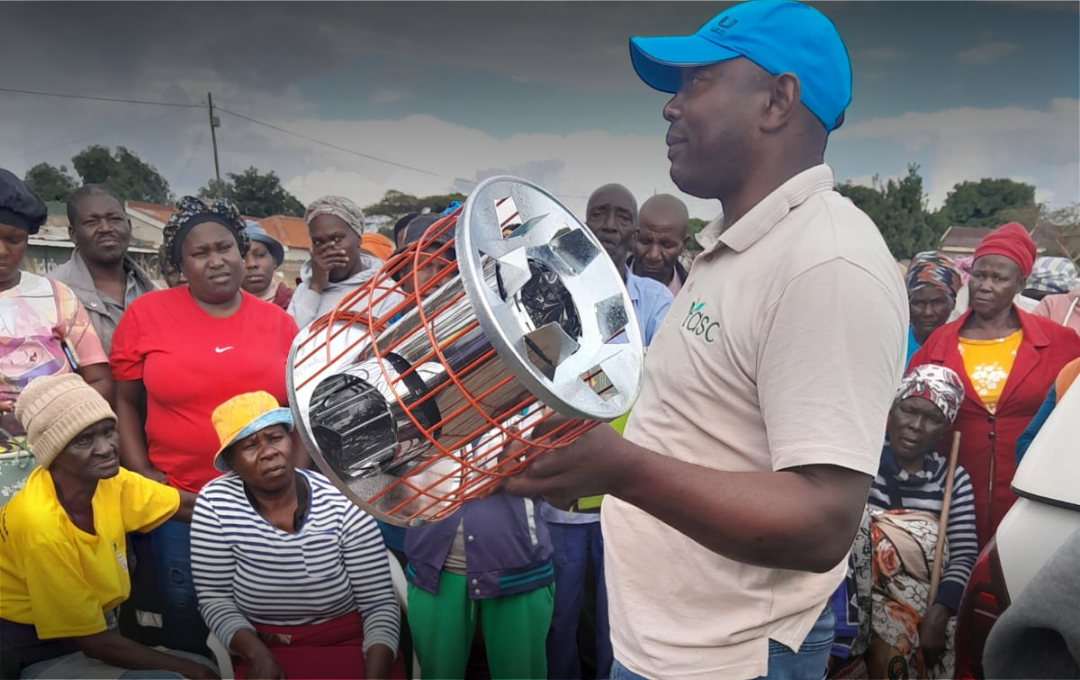
958 jobs have been created in the green economy. Currently, there are 170 Environmental Monitors in communities and supporting host institutions. There is a 25% absorption rate into formal employment in the environmental sector and there are 55 small businesses (SMME’s) that are being supported.
14 199 hectares of land has been restored and rehabilitated. A further 22 167 hectares have been cleared of alien invasive plants.
The biosphere vision is to partner with stakeholders, land-use sectors, and relevant bodies, to achieve a sustainable future for all life in the Kruger to Canyons Biosphere.
We look forward to featuring their achievements and the people involved in bringing the biosphere into our everyday life. Follow this continuing story in future editions of Kruger2Canyon News.