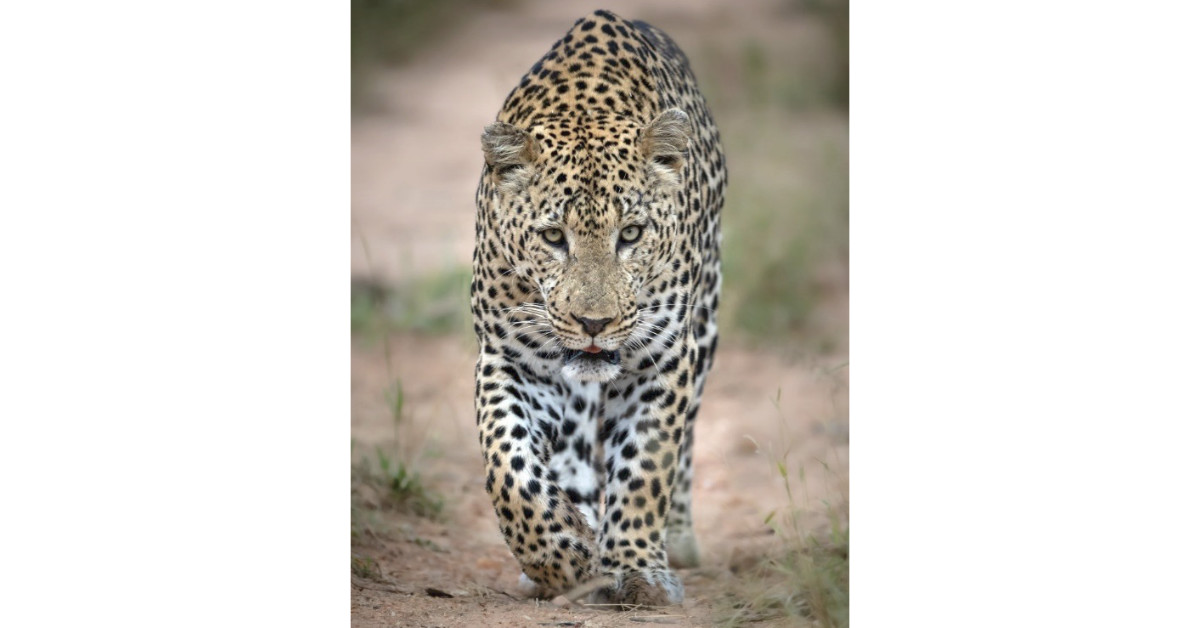
Wildlife photography is a beautiful art form that can be extremely technical and often difficult to master. However, understanding your equipment, having and a good understanding of your subject, and a little bit of patience (ok, lots of patience) will improve your shots.
Get off “Auto”
Even the latest and greatest digital cameras, packed with cutting-edge technology, cannot ever give you the results in Auto mode compared with the more manual modes available on most decent cameras. Learn the basic modes and settings, and always shoot on them. The improvement in your shots will be instant. Try and use the ‘aperture ‘priority’ or ‘program’ mode as a starting point. At least then you will be able to “aim” using focal points and have control over your exposure.
Focus on the eyes
Your camera will allow you to use various auto-focus techniques to ensure that you can focus on the animal’s or birds’ eyes. Some of the newer digital cameras also have advanced animal eye tracking features built into them, however, the older cameras still give you the ability to focus exactly where you want to. That is the cornerstone of any good photograph and gives you the ability to unleash your creative and artistic flair.
Use continuous autofocus modes
AF-C or AI Servo (manufacturer dependent) is a setting where the camera will continually focus. This is particularly important in Wildlife Photography as your subject can move at any time. Even the smallest turn of a head can change your focal distance. By using this mode, you ensure that your subject stays in focus. Some more advanced systems also allow you to fine-tune this focusing system, allowing advanced tracking systems and the ability to avoid possible obstacles.
Always process your RAW images
So many people mention that they never “Photoshop” their images. However, there isn’t a professional photographer out there that skips this crucial step. A RAW image requires a certain amount of processing to take place after the photo was captured. This is a vital step in ensuring that your colours are accurate, your sharpness is on point and the file created is exactly how you “saw” it. Your digital camera manufacturer will include image processing software with your camera. There are also many popular third-party image processing programs like Adobe Photoshop available. It is vitally important to process your RAW image as it holds all the data from the image. Jpg images are compressed which means they don’t store all the finer details. This is a major issue, especially when you are looking to print large images.
About Michael Tucker Hosts training workshops and safaris along with various online training platforms. www.big5photos.com – ‘Your wildest dreams’