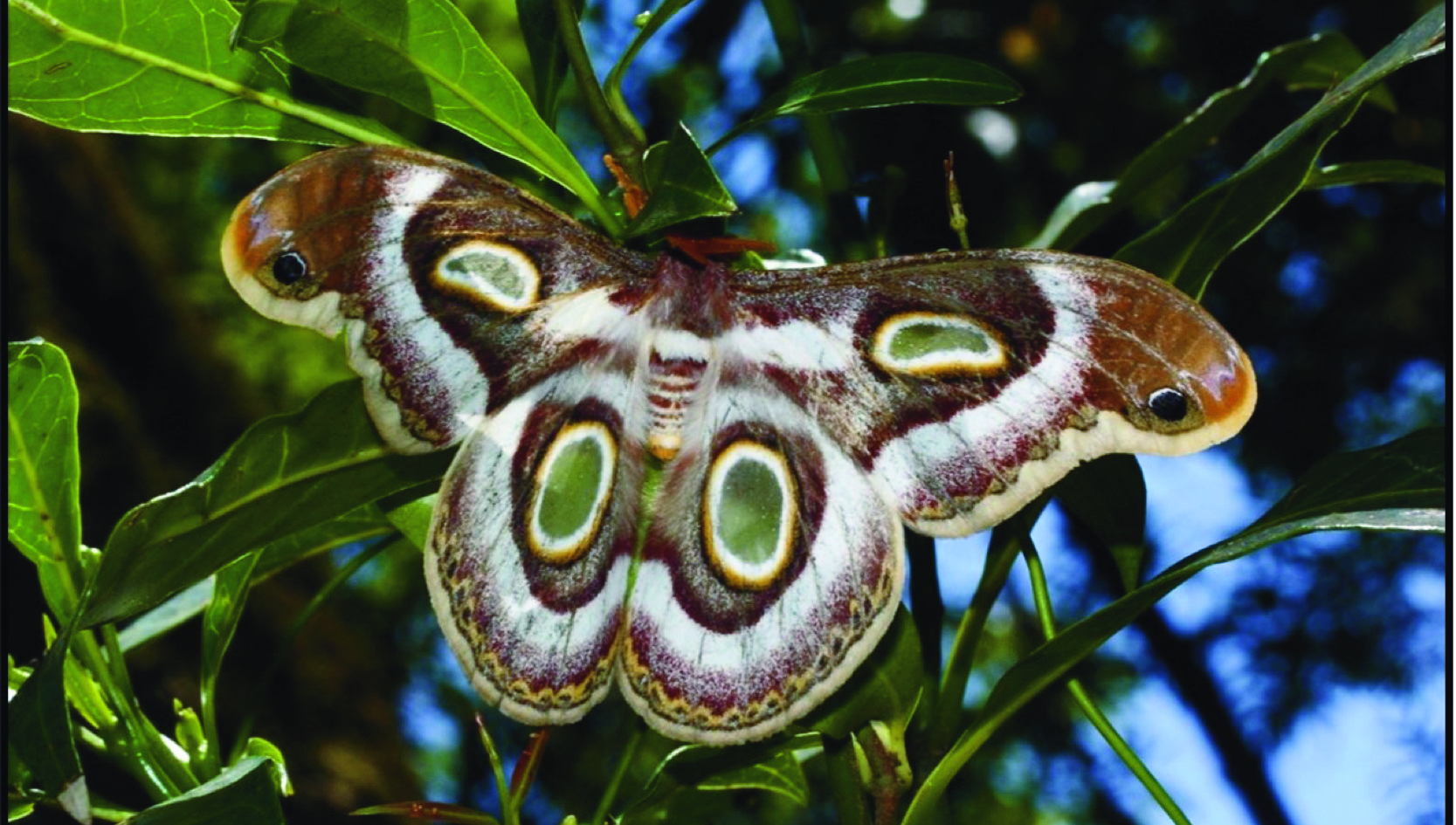
This article is the final review of caterpillar rearing. Caterpillar rearing can provide some amazing results providing much pleasure with each new species reared. However, the process can be fraught with frustration, as there are many hurdles nature has put in place and that the unnatural rearing conditions may lead to. This article will touch on some of the aspects, but not cover everything that may await an unsuspecting ‘venturist’ into the world of caterpillar rearing.
As with silkworms, looking after collected caterpillars does take time and dedication. The major difference, depending on how committed you are, is that there are a variety of species and therefore a plethora of larval host plant species preferences. Having 40-50 different caterpillars to attend to, means that a “shopping trip” into the surrounding bush may be required to collect food for each individual.
To achieve a successful rearing will require substantial effort, other than collecting appropriate food for each specimen. Cleanliness is a major consideration, as containers need to be cleaned of frass (poop) and dead plant material daily. Living in the Lowveld with high temperatures and humidity, creates an ideal opportunity for mould to establish in a container, growing on the frass and old plant material. Excessive mould may overwhelm the caterpillars, or even pupas, that are set aside awaiting eclosure (the emergence as an adult from the pupa or as a larva from the egg).
The success rate of rearing caterpillars can be a bit disappointing – I personally work on a rate of around 40-45%, and that’s after attempting to rear more than 3000 caterpillars! However, the thrill experienced with each successful rearing is addictive. With each new species reared, I just wanted to see more, new eclosing moths and butterflies from my rearing attempts. Wherever I would go, for work or pleasure, my eyes would wander to the surrounding foliage, scanning for the tell-tale signs of caterpillar presence. A wonderful excuse to get some relief from a boring meeting or conversation!
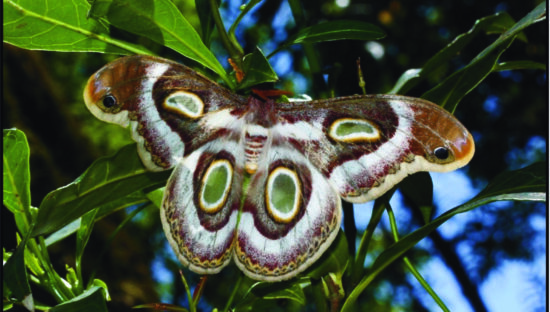
Providing fresh material to each caterpillar on a daily basis is so important, as wilting leaves can be toxic to the caterpillar in the same way as it is to game animals kept in holding-bomas. Most feeding is done at night, so not much activity will be noted during the day. As caterpillars go through from one instar (a phase between two periods of moulting in the development of an insect larva or other invertebrate animal) to the next, they will become inactive until the shedding of their skin is complete. Another period of inactivity is prior to the pupation phase. This is usually indicated by a colour change too – what we refer to as the ‘pink’ stage. Another inactivity cause is the dreaded result of parasitism.
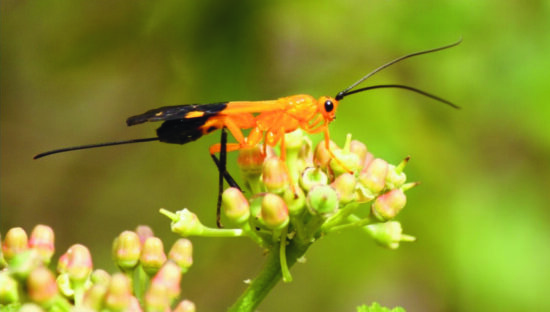
Parasitoids are one of the highest and most prominent causes of caterpillar fatalities. Every stage of caterpillar development can be parasitized in one form or another. Incredibly, even the smallest of eggs can be parasitized! A moth or butterfly egg half the size of a pinhead can produce a parasitoid. Caterpillars are often collected, and once photographed, parasitoid eggs can be seen in enlarged images, attached to the caterpillar body. Parasitoids either pupate within the body of the caterpillar or emerge to pupate in cocoons, attached all over the bodily remains of the parasitized caterpillar.
Fly parasitoids are more dramatic, they can become evident during the caterpillar phase or the pupal phase of certain Lepidoptera species. After feeding within the caterpillar or pupa, the maggots will emerge, sometimes leaving a slimy trail down the side of the container, to pupate on the bottom. In nature they would be dropping down to the soil below, digging in and pupating in the soil like most flies do.
In terms of the CRG, all information is of great importance. Any observations made during the rearing of a specific caterpillar, contributes to the knowledge on the life history of this specific individual. Not only should the different stages of the lifecycle be photographed and submitted with all the collected data to the CRG, but the adult specimen should be placed in a vial and frozen to preserve the specimen for pinning and later identification. The same is applicable to the parasitoid as information on parasitism of Lepidoptera is also hugely important in the understanding of the life histories and ecology of each individual species.
If truly dedicated, the pupa casings can, furthermore, also be preserved and forwarded to the CRG. The importance of this is in the identification of the species. The pupas also have certain specific characteristics eg: the pupal clasps, that can contribute to a successful identification of the individual species.
And with this I conclude a short review of caterpillar rearing with the goal of contributing to the knowledge on our wonderfully diverse Lepidoptera group. As a ‘citizen scientist’ your contribution can be just as meaningful as that of a specialist scientist, ultimately leading to the discovery of an undescribed species of which there are many, especially in the ‘moth’ group. In the next article I will look at some of the achievements of the CRG over the last 10 years and touch on some newly described species from the Hoedspruit area.