There is something almost magical about watching a bird meticulously preen itself. A White-browed Robin-Chat pauses between bursts of its melodic song to carefully draw each feather through its bill. A Hamerkop stretches a wing impossibly wide, inspecting every feather with deliberate precision. Even the most energetic swifts and swallows, seemingly forever on the wing, somehow find time to maintain their plumage. To the casual observer, it might seem like little more than avian vanity, when in reality, it is far more; in fact, it is a matter of survival.
Unlike our hair, feathers are remarkable structures that cannot repair themselves once damaged, until such time as they are physically replaced. Every feather must remain in peak condition for as long as possible until it is eventually replaced during a process known as “moult”. A single frayed flight feather can create extra drag, making flight less efficient and burning crucial energy reserves. A breach in insulation can allow precious body heat to escape on a cold winter’s morning. Damaged plumage may even compromise camouflage and make a bird more visible to predators or even less attractive to a potential mate.
In short, a bird is only as good as its feathers.
That is why feather maintenance occupies such a significant portion of a bird’s daily routine. Some species spend more than 10% of their waking hours caring for their plumage, and once you begin noticing these behaviours, you’ll realise how frequently they occur, and how meticulous birds are about their feather-care regime.
Preening: Feather Care Regime 101 For Birds
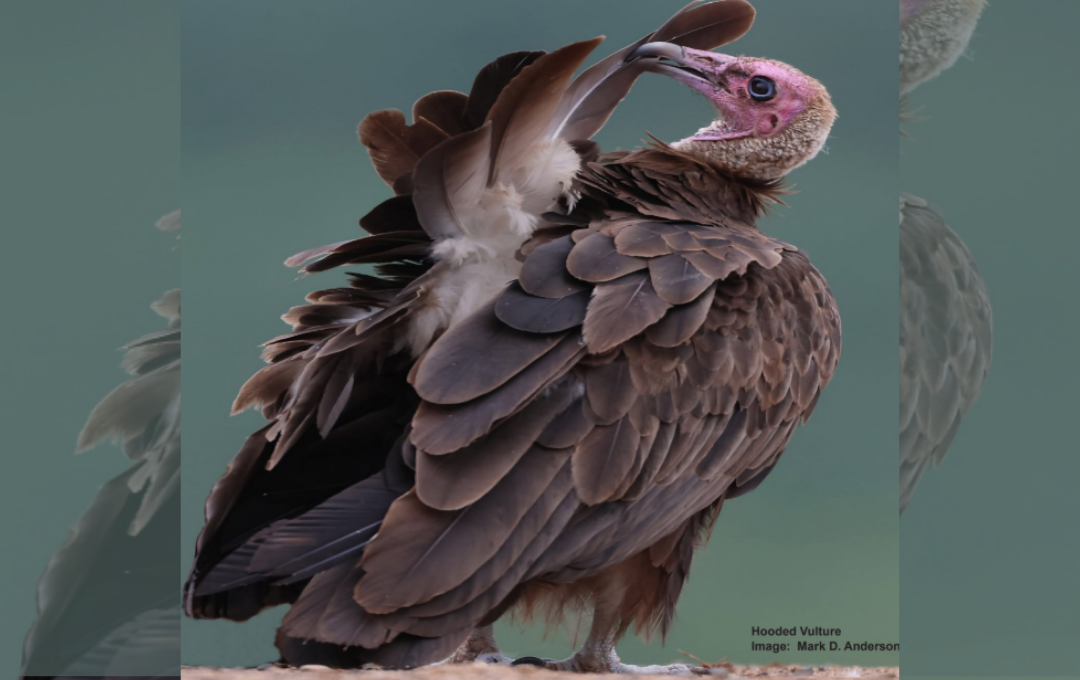
A term most may be familiar with is known as “preening”. Using its bill like a finely crafted comb, a bird painstakingly realigns the tiny hooks that hold each feather together. These microscopic barbs function rather like the teeth of a zipper; if they become separated, the feather loses much of its strength and aerodynamic shape. By gently drawing each feather through the bill, the bird effectively “zips” it back together, realigning everything back to where it should be.
Most birds also visit a small gland situated just above the base of the tail, known as the uropygial, or preen, gland. This gland secretes a waxy, oil-like substance that birds collect with their bills before spreading throughout their plumage. The oil helps keep feathers supple, inhibits the growth of any bacteria and feather-degrading fungi, and, in many species, may even improve water resistance. I suppose one can think of it as an “all-in-one” conditioner, waterproofing treatment, and protective polish for feathers.
The Roll of Water And Dust
Water itself also plays an important role. Whether splashing enthusiastically in a garden bird bath, diving into a stream, flittering among wet foliage, or shaking off the morning dew, it all constitutes a form of bathing that helps remove dust, dirt, and parasites while loosening debris trapped among the feathers. The vigorous shaking and subsequent preening that follow are every bit as important as the bath itself.
Perhaps more surprising is the sight of birds enthusiastically throwing dust over themselves. Dust bathing, common among many terrestrial species such as francolins, spurfowls, and guineafowl, helps absorb excess oils and may help reduce parasites hidden within the plumage.
Specialised Feather Maintenance
An alternative to dust and water bathing is “anting”, a rather unusual practice. There are two main types: passive and active. During the latter, rather curiously, birds will deliberately rub ants through their feathers or sit amongst swarms of them. The belief is that the ants’ defensive chemicals (formic acids) may help control feather-eating parasites, such as lice and mites. There have been certain instances in which some birds have been observed utilising millipedes in place of ants, which secrete cyanoic acid when threatened, a substance that, in hindsight, likely serves the same purpose.
Some birds have evolved even more specialised tools for feather care. In certain species of waterbirds, which lack a preening gland, they have evolved a substitute in the form of powder down. Here, the barb tips of the feathers continually crumble into an exceptionally fine, non-wettable powder, which is then spread across the plumage to absorb oils, remove grime, and help maintain feather condition and waterproofing efficiency. It is nature’s equivalent of a dry shampoo.
Other species, which may have too short, compact, or long, narrow bills, have even gone so far as developing a literal comb-like structure on their feet, known as a “pectinate-claw”. They are then able to use this to vigorously scratch themselves, dislodging any unwanted foreign objects from their feathers, and allowing the claw to serve the purpose that their bill otherwise would have.
The Importance of Moult
Of course, even the most diligent maintenance cannot prevent feathers from eventually wearing out. Exposure to sunlight, weather, constant flight, and general everyday use slowly takes its toll. This is where the moult process becomes essential. Feathers are sequentially replaced, ensuring that birds retain their ability to fly while gradually renewing their entire “wardrobe” over weeks or potentially months.
More Than Meets The Eye
The next time you find yourself out birding, do your best to resist the temptation to focus solely on the obvious: their colours or prominent identification features. Instead, spend a few moments observing what they are doing.
That Laughing Dove carefully rearranging its wing feathers, the Lesser Masked Weaver fluffing itself after a bath, or the Lanner Falcon methodically grooming after a dramatic hunt, they’re all performing one of the most important routines in their lives.
For birds, feather maintenance is not simply about looking immaculate. It is about staying warm, ensuring efficient flight, avoiding predators, attracting mates, foraging for food, and, ultimately, surviving another day. Every careful stroke of the bill through their feathers tells a story of millions of years of evolution, and is a testament that sometimes the smallest, quietest behaviours are among the most remarkable spectacles that nature has to offer.