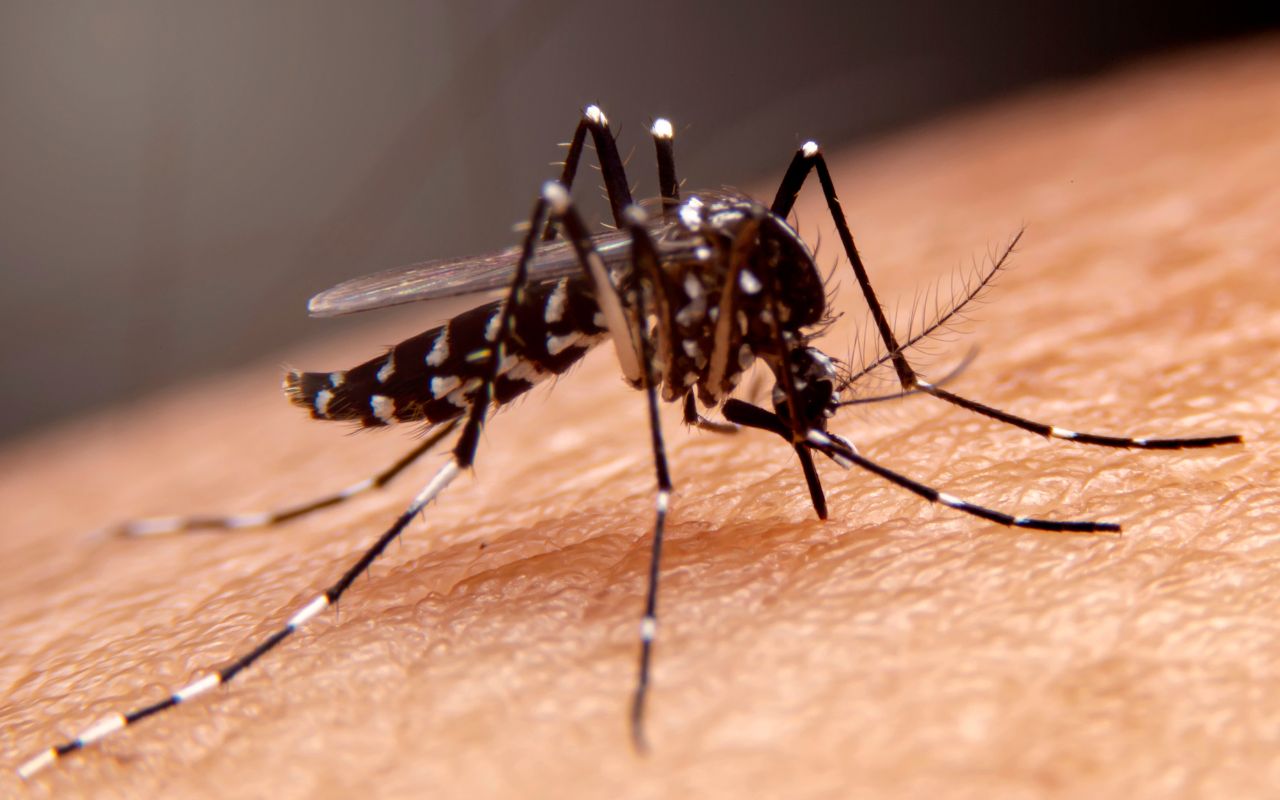
Malaria, a deadly and persistent tropical disease, continues to plague communities in many parts of the world. This parasitic infection, transmitted primarily through the bite of infected Anopheles mosquitoes, remains a significant global health concern.
Malaria is caused by the Plasmodium parasite, of which five species are known to infect humans – Plasmodium falciparum, Plasmodium vivax, Plasmodium ovale, Plasmodium malariae, and Plasmodium knowlesi. Of these, P. falciparum is the most deadly and responsible for the majority of malaria-related deaths worldwide, and indeed in South Africa.
When an infected mosquito bites a human, it injects the malaria parasites into the bloodstream. These parasites then travel to the liver, where they multiply and mature. Once mature, they re-enter the bloodstream and invade red blood cells, causing them to rupture. This cycle of infection, multiplication, and red blood cell destruction, leads to the characteristic symptoms of malaria.
The symptoms of malaria can vary in severity and presentation, making diagnosis challenging. Common symptoms include – high fever, chills and shivering, sweating, headache, fatigue, nausea and vomiting, muscle and joint pain, anaemia (due to the destruction of red blood cells), enlarged spleen, and in severe cases, jaundice.
If left untreated, malaria can lead to severe complications, including cerebral malaria, organ failure, and death. Vulnerable populations, such as young children and pregnant women, are at a higher risk of developing severe forms of the disease.
The mosquitoes are most active during the night, so the risk of infection is highest after sunset and before sunrise. However, malaria can also be transmitted through blood transfusions, organ transplantation, and from mother to child during childbirth or breastfeeding.
Preventing and controlling malaria is paramount, especially in endemic regions. There are many effective safeguards against malaria. Sleeping under insecticide-treated bed nets is one of the most effective ways to prevent mosquito bites. These nets create a physical barrier and kill mosquitoes on contact.
Spraying insecticides on the interior walls of homes can reduce mosquito populations and their ability to transmit the disease.
Taking antimalarial drugs, such as chloroquine, artemisinin-based combination therapies (ACTs), or prophylactic medication, can be effective. However, drug resistance is a growing concern in some regions.
Timely diagnosis and treatment are crucial to prevent severe malaria. Diagnostic tests, such as rapid diagnostic tests (RDTs) and microscopic examination of blood smears, help healthcare professionals confirm the presence of the parasite.
Educating communities about the importance of malaria prevention and control, the use of bed nets, and seeking prompt medical care can significantly reduce infection rates, and in the African context is probably one of the most important parts of the holistic prevention protocol.
Eliminating mosquito breeding sites, such as stagnant water, and using insect repellents can reduce mosquito populations and minimize the risk of transmission.
The development and deployment of a malaria vaccine, like the RTS,S/AS01 (Mosquirix), show promise in preventing infection and reducing the severity of the disease, particularly in young children.
Ongoing research into new antimalarial drugs, mosquito control methods, and innovative prevention strategies is essential in the fight against malaria.
This disease remains a formidable global health challenge, particularly in tropical regions. Understanding the infection, its symptoms, and how it is transmitted is crucial in the battle against this silent killer. The effective safeguards, as mentioned above, are essential components of malaria control efforts.