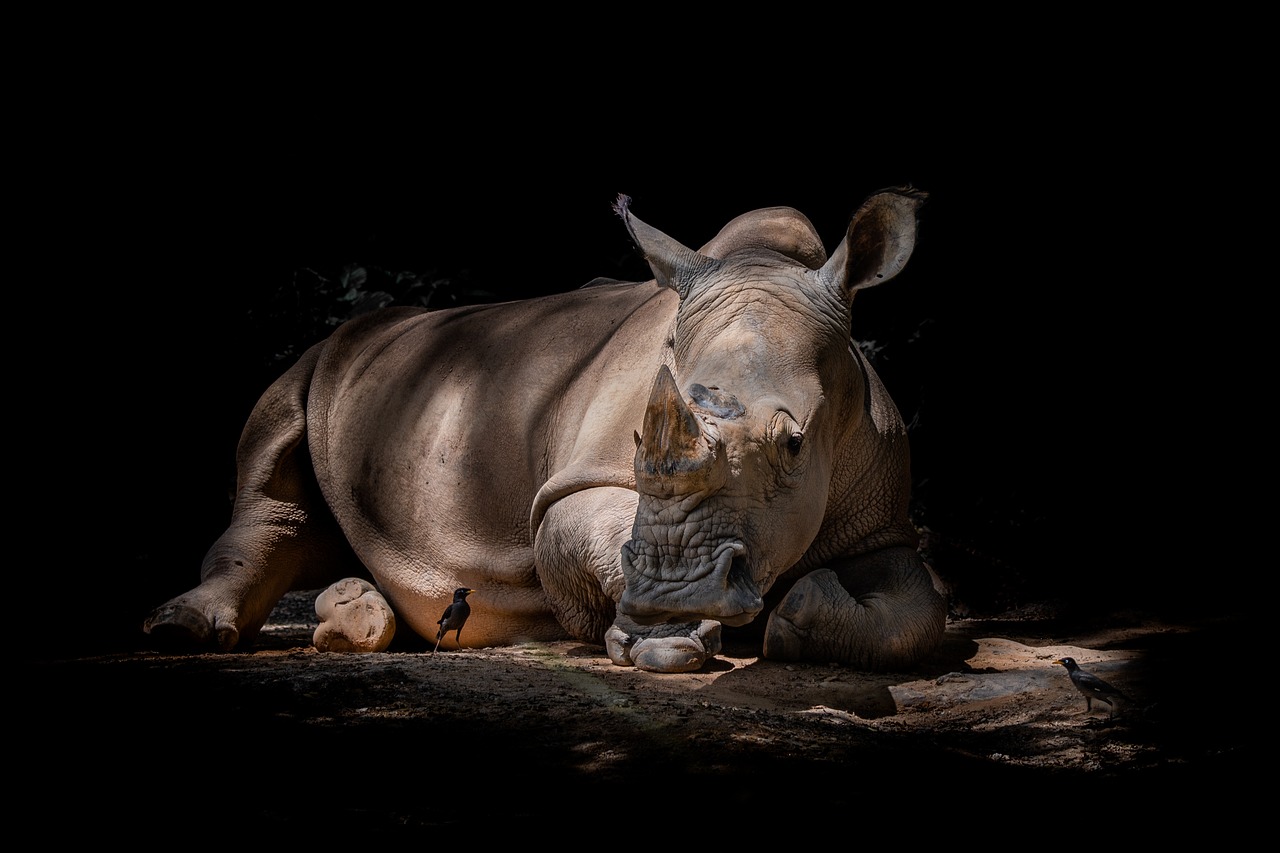
World Rhino Day, celebrated on September 22nd every year, is a global initiative aimed at raising awareness about the importance of rhinos and their conservation. South Africa, with its rich biodiversity and unique ecosystems, plays a significant role in the global effort to protect these magnificent creatures. This year’s World Rhino Day comes with exciting news as African Parks, a prominent conservation organisation, has made a ground-breaking, last-minute purchase of 2 000 rhinos.
Established in 2010 by WWF-South Africa, World Rhino Day recognises the dire conservation status of rhinos and their importance in our natural world. It has since become a day to celebrate these incredible animals and highlight the urgent need for their conservation and protection within Africa’s key natural landscapes.
Rhinos are iconic creatures, known for their prehistoric appearance and their vital role in maintaining the balance of ecosystems. Unfortunately, they face numerous threats, primarily driven by poaching for their horns. Rhino horn is a highly prized item in some cultures for its perceived medicinal properties, and for its indication of wealthy social status leading to rampant illegal trading and poaching.
The celebration of World Rhino Day serves as a reminder of the urgency to protect these magnificent animals and raise awareness about the devastating consequences of poaching, not only for the animals themselves, but also the impact of losing this keystone species from protected areas. Rhinos play a vital role in maintaining the health of our ecosystems and serve as an indicator of overall health within natural landscapes.
South Africa is home to the majority of the world’s rhino population, making it a critical player in rhino conservation efforts. The country boasts two species of rhinos: the white rhino and the black rhino. Both species are an integral part of South Africa’s natural heritage.
Southern white rhinos are the most numerous rhino species globally, and are primarily found in southern African countries, including South Africa. These gentle giants play a crucial role in shaping the landscape by creating water holes and clearing pathways, benefiting various other species. Their counterpart, the black rhinos, are known for their solitary nature and are more aggressive than their white counterparts. They are browsers and help maintain vegetation diversity, which is essential for other herbivores in the ecosystem.
Rhinos are an emblem of our nation’s wildlife heritage and are a major draw for tourists, contributing significantly to the country’s economy through wildlife tourism. With South African Heritage Day falling on the 24th of September, there is no better time to celebrate our wealth of natural beauty and the importance our natural heritage holds for the health of global ecosystem functioning.
African Parks’ recent acquisition of 2 000 rhinos is a ground-breaking step in rhino conservation. This move demonstrates their commitment to protecting these endangered species from the threat of poaching and habitat loss.
The acquisition includes both black and white rhinos and will be distributed across African Parks’ network of protected areas. African Parks employ rigorous anti-poaching measures and community engagement strategies, to ensure the safety and well-being of these rhinos. This initiative aligns with their overarching goal of preserving critical habitats and securing the future of Africa’s wildlife.
The purchase of such a significant number of rhinos not only bolsters global rhino populations, but also underscores the importance of protected areas in rhino conservation. By focusing on habitat protection and management, African Parks ensures that rhinos have secure environments in which to thrive, and promote the recovery of their populations across their natural habitats throughout Africa.
As we celebrate World Rhino Day, let us remember that the survival of rhinos depends on our collective efforts. We must continue to raise awareness, support conservation organisations, and work together to combat poaching and habitat destruction, ensuring that rhinos remain an integral part of South Africa’s natural heritage for generations to come.