On 13th December 2025, the Finale community officially launched its Eco-Tourism Office and newly established hiking trails along the Olifants River, locally known as the Lepelle. For a community positioned between private reserves and along one of the region’s most significant river corridors, this moment marked the opening of a building, and importantly the beginning of a new chapter.
A rich landscape in view, now within reach
Located approximately 32 kilometres outside Hoedspruit within Maruleng Municipality, Finale sits in a landscape of dramatic Drakensberg views, waterfalls, rich biodiversity and culturally significant caves. Yet a long history of limited livelihood options and poverty contributed to high levels of poaching and crime, while these natural assets were either extracted or largely forgotten, and certainly untapped as economic opportunities.
Through the Safe Systems process, supported by the Kruger to Canyons Biosphere Region’s Community Solutions team and partners, residents reflected on local challenges and opportunities. Eco-tourism was identified as a viable pathway to generate dignified livelihoods, while strengthening conservation and collective pride. The refurbished Eco-Tourism Office now stands as a visible symbol of that intent – a local hub from which visitors can access guided experiences and from which the community can manage and grow its tourism offering.
Leadership, unity and local vision
At the official opening, Community Development Forum Chairperson Aubrey Malepe, reflected on the journey from limited livelihood options toward a future defined by opportunity and shared responsibility. Headman Matene emphasised the importance of unity in addressing both social and environmental challenges. He spoke of waterfalls, grazing plains where impala and zebra move alongside livestock and caves that carry cultural meaning, reminding those gathered that Finale’s greatest wealth lies in its natural heritage.
This emphasis on local leadership and ownership has been central to the change taking place in Finale. The initiative has taken shape through extensive community dialogue and planning, together with the Kruger to Canyons Biosphere supporting the process as a steady partner and connector in the wider landscape.
Walking the trail together
Following the ribbon cutting ceremony, celebrations continued with local cultural performances before guests and community members made their way to the Maburuburung Waterfalls. A five-kilometre guided walk along the overflowing Olifants River formed the heart of the day’s activities.
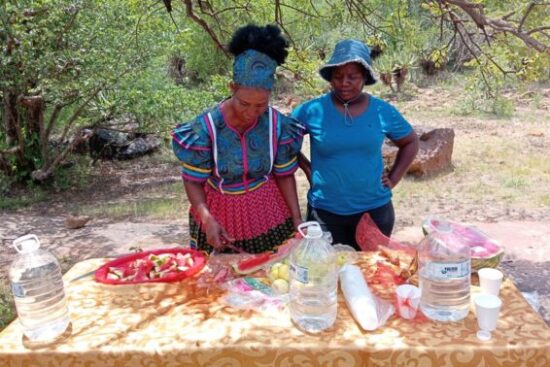
Six trained nature-based tour guides led the group along clearly marked trails, stopping at designated viewpoints where refreshments had been prepared. For many residents, it was the first time visiting parts of their own landscape that had long been spoken about in stories, but seldom experienced firsthand. One participant summed up the feeling from the group by simply stating “Now we see why this place is special!”.
Youth and elders walked side by side, pausing at natural pools, tasting indigenous fruits and taking photographs against the backdrop of cascading water and rocky gorges. Directional markers and basic trail infrastructure now signal that this is a space ready to welcome visitors in a safe and organised way.
Partnerships that strengthen confidence
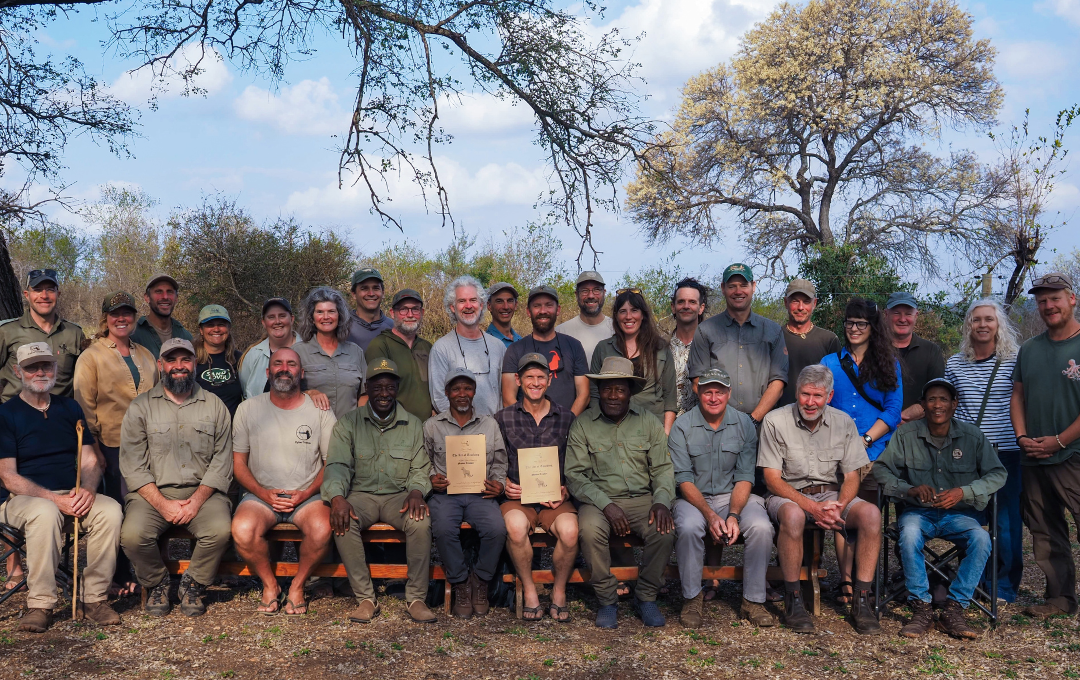
The presence of partners at the opening, including experienced hikers from the Maruleng Hiking Group and representatives from the Endangered Wildlife Trust, reinforced the credibility of the trails and highlighted the value of collaboration in strengthening community-led conservation efforts. By connecting Finale to wider networks and expertise, the Kruger to Canyons Biosphere is helping to position the initiative within a supportive ecosystem of partners.
From milestone to momentum
Finale’s Eco-Tourism Office and hiking trails represent a practical step toward aligning livelihoods with landscape stewardship. By positioning its natural assets as something to be protected and experienced rather than depleted, the community is creating pathways for income generation, skills development and renewed pride.
The next phase will focus on strengthening communication platforms, refining booking systems and expanding marketing reach so that the initiative translates from a successful launch, into a sustainable tourism offering that supports the wider community into the future.
What is taking shape in Finale is not only a local attraction. It is a reminder that when communities lead and when organisations such as the Kruger to Canyons Bisphere play a supportive role, conservation and livelihoods can move forward together, anchored by the diverse landscape and driven by those who call it home.