Kruger2canyon News

The snouted cobra – Naja allulifera

Snouted Cobra (Naja annulifera) from Vaalwater, Limpopo Province. Copyright Johan Marais

The snouted cobra (Naja annulifera) is by far the largest cobra in the Lowveld, reaching 2,5 m in length. It is usually yellowish to dark brown or blue-black above with a yellow mottled belly but there is also a banded variety. Such individuals are blue-black with seven to eleven yellowish crossbars on the back.

  Historically this was known as the Egyptian cobra as it used to be a subspecies, but further studies concluded that it is not closely related to the Egyptian cobra and it was elevated to full species, hence the new common name snouted cobra (wipneuskobra).

Juvenile Snouted Cobra (Naja annulifera) from the Hoedspruit Wildlife Estate, Limpopo. Copyright Johan Marais

  It inhabits arid and moist savanna and is common in Lowveld and bushveld areas. The snouted cobra often inhabits a permanent home in a termite mound where it will live for many years. Though occasionally encountered during the day it hunts at night, often venturing into poultry runs. It feeds on toads, rodents, birds and their eggs, lizards (including the rock monitor) and snakes, especially puff adders.

  This snake is fond of basking in the morning sun, usually near its retreat and is quick to disappear if disturbed. If cornered it will lift as much as half of its body off the ground and form a wide, impressive hood. Like many other snakes it may also play dead, turning the front half of the body upside down with the mouth agape. Should one attempt to pick it up, it may bite.

  Females produce up to 33 eggs in early summer, and the hatchlings measure around 30 cm in length.

Snouted Cobra (Naja annulifera) from Limpopo Province. Copyright Johan Marais

The venom of this snake is both neurotoxic and cytotoxic and may rapidly affect breathing. Initial symptoms may include burning pain and swelling, but bites from this highly venomous snake are rare. In the event of a dog getting bitten by this snake it may need antivenom and should be taken to a vet urgently.

Johan Marais is one of Africa’s leading herpetologists and is CEO of the African Snakebite Institute. He is a best-selling author, a compulsive photographer, and a travel addict. Check out the website on www.africansnakebiteinstitute.com – get your FREE App on the link http://bit.ly/snakebiteapp

Tags

Share this post:

Related Posts
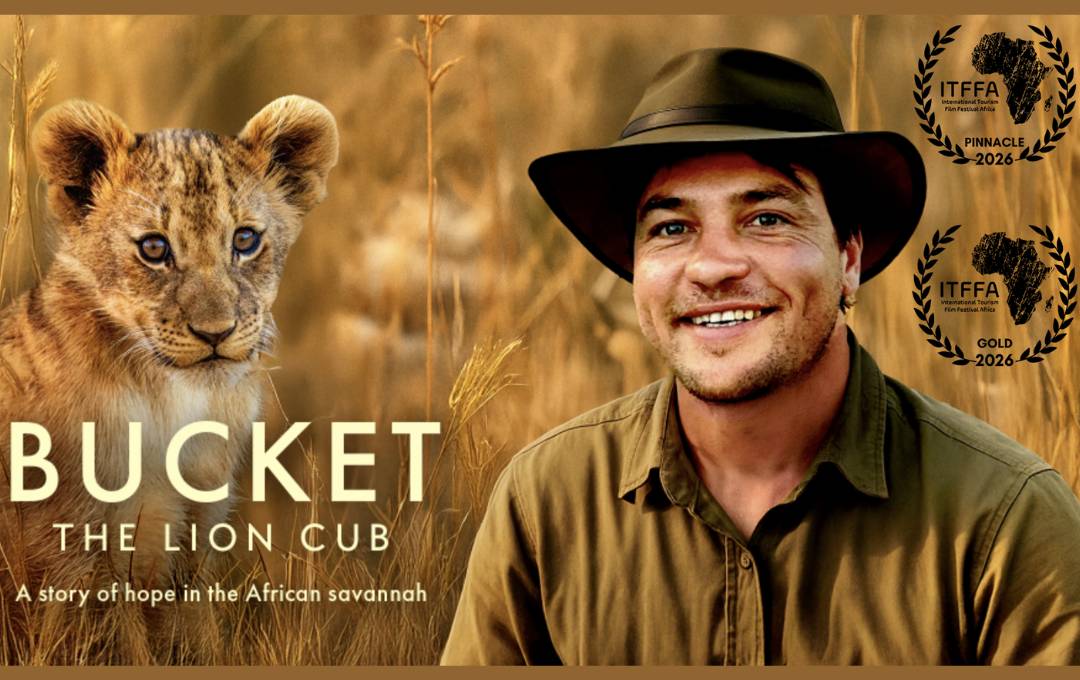
BUCKET THE LION CUB

Pack Call for the Win: Painteddog.tv Takes Top Film Honour

Storytelling in conservation is a fickle friend. You have to balance hope against urgency. Bring people on board, even if that just means making them more aware of the wild world around them. Above all, you need your audience to question everything. And there is a lot of information in a conservation piece. It can drown you fast.

Read More »
Kruger to Canyon weather

Live Weather

loader-image
Hoedspruit, ZA
7:37 am, July 14, 2026
15°C
clear sky
69 %
Wind Gust: 4 mph
Clouds: 0%
Sunrise: 6:39 am
Sunset: 5:24 pm
loader-image
Tzaneen, ZA
7:37 am, July 14, 2026
15°C
clear sky
64 %
Wind Gust: 2 mph
Clouds: 4%
Sunrise: 6:41 am
Sunset: 5:28 pm
loader-image
Phalaborwa, ZA
7:37 am, July 14, 2026
15°C
overcast clouds
89 %
Wind Gust: 10 mph
Clouds: 99%
Sunrise: 5:09 am
Sunset: 6:08 pm
loader-image
Graskop, ZA
7:37 am, July 14, 2026
10°C
clear sky
71 %
Wind Gust: 4 mph
Clouds: 0%
Sunrise: 6:40 am
Sunset: 5:23 pm