Spotlight Features
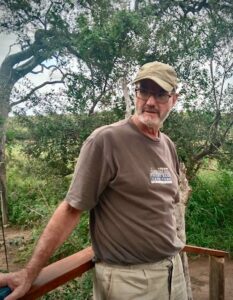
Five Guides. One Calling. No Ordinary Story.
They came from Manchester, Pretoria, Johannesburg, Uitenhage and the open sea. What brought them all to the same place – and to the finals of Safari Guide of the Year 2026 – is anything but a straight road.