Sniffer dogs, secret recording devices and the long arm of international law have helped to ensure the apprehension of at least two men linked to the slaughter of numerous rhinos. The arrests took place thousands of kilometres from the killing fields of southern Africa.
Both suspects appeared in court early this month — one in the US, the other in Singapore. They face several charges relating to the illegal transnational trade in threatened or endangered wildlife.
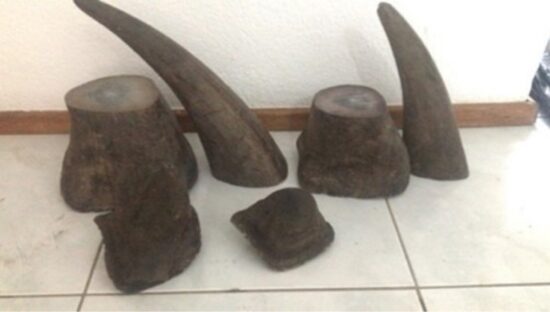
Teo Boon Ching, a 57-year-old businessman known as “The Godfather”, appeared before federal magistrate judge Gabriel Gorenstein in New York on 7 October, charged with allegedly participating in a conspiracy to traffic more than 70kg of rhino horns valued at more than $725,000 (more than R13-million).

Teo Boon Ching, a 57-year-old businessman known as “The Godfather”, appeared before federal magistrate judge Gabriel Gorenstein in New York on 7 October, charged with allegedly participating in a conspiracy to traffic more than 70kg of rhino horns valued at more than $725,000 (more than R13-million).
Ching, a citizen of Malaysia, was arrested in Thailand in June at the request of the US following a lengthy undercover operation by the US Fish and Wildlife Service and other law enforcement agencies.
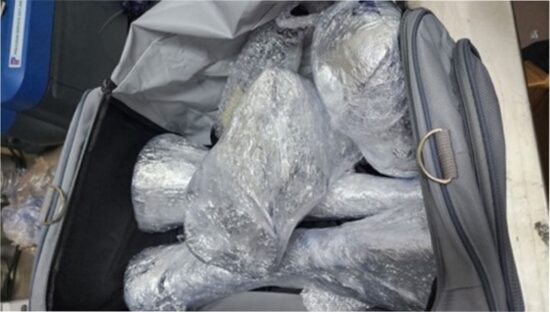
The second suspect, 32-year-old South African national Sthembiso Joel Gumede, appeared in court in Singapore on 6 October after being arrested at Changi Airport during an apparent attempt to smuggle rhino horns from Johannesburg to Laos. Airport sniffer dogs led their handlers to two bags containing 34kg of rhino horns that originated from a Johannesburg flight.
According to a report in Singapore Today, Gumede said he had no lawyer, but was “pleading innocent” and was unsure if he could raise bail.
Extradition to US
In a press release issued by the US Department of Justice, the US Attorney’s Office and US Fish and Wildlife Service confirmed that Ching was brought to New York following an extradition request to the Royal Thai government and police force.
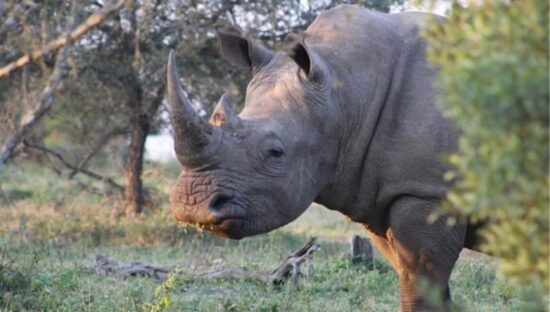
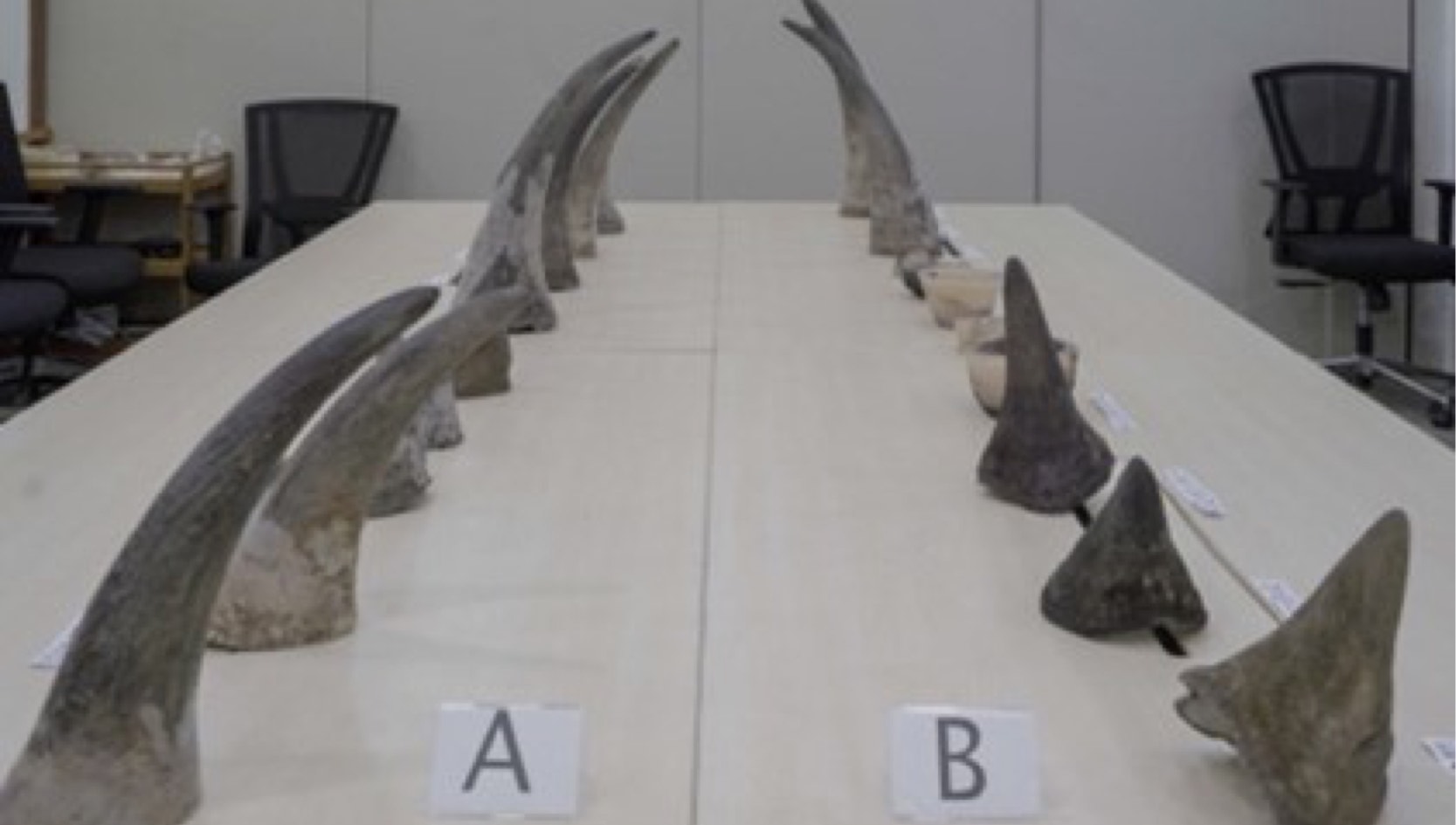
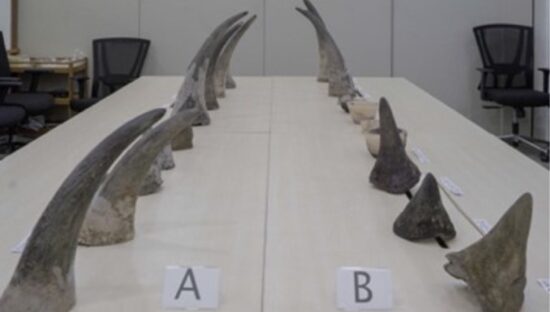
According to an indictment unsealed in the Manhattan federal court on Friday, Ching came unstuck largely due to secret recordings of conversations held with undercover sources while negotiating the sale of several horns. Subsequent testing by forensics experts found that two horns came from black rhinos and another 10 from white rhinos, both species native to Africa.
According to the Environmental Investigation Agency (EIA), which specialises in covert investigations of environmental crimes across the world, Ching was arrested in Thailand in 2015 for possession of 135kg of African elephant ivory.
“Despite his arrest, he evaded prosecution and continues his wildlife smuggling exploits,” the EIA said in a statement earlier this year, adding that he had been implicated in another rhino horn seizure in August 2018.
In a report titled Exposing the Hydra, EIA investigators documented Ching’s alleged role as a specialist transporter assisting Vietnamese and Chinese syndicates in trafficking wildlife between Africa and Asia.
US wildlife trafficking laws
This time, however, Ching will have to contend with US justice officials and a battery of laws crafted specifically to combat international wildlife crime.
This could include the Lacey Act which prohibits international and domestic wildlife trafficking — including wildlife, fish and plants that have been taken in violation of other federal, state or even foreign laws.
The Endangered Species Act and regulations also protect fish, wildlife and plants that are, or may become, imperilled due to demand in international markets, while the Rhinoceros and Tiger Conservation Act makes it a crime for anyone to knowingly sell, import or export any substances derived from any species of rhinoceros.
The US Justice Department has not yet responded to our queries on whether Ching was being held in custody or has been released on bail, but a report in The Diplomat magazine suggests Ching is in custody, and that he also faces sanctions designed to deny him access to any property or financial assets held in the US.
According to a statement from the US Attorney’s Office on 7 October, Ching has been charged with conspiracy to traffic in more than 70kg of rhino horns and also with laundering the proceeds of his illegal horn sales. The US Treasury Department Office of Foreign Assets Control had also sanctioned Ching and his associated business entities.
‘Transnational criminal enterprise’
US Attorney Damian Williams said: “Teo Boon Ching is alleged to be the leader of a transnational criminal enterprise trafficking in rhinoceros horns, enriching poachers responsible for the senseless illegal slaughter of numerous endangered rhinoceros, and furthering the market for these illicit products.
“Thanks to the tireless efforts of the US Fish and Wildlife Service, this defendant has been caught and brought to the US to answer for his alleged crimes.”
US Fish and Wildlife Service Office of Law Enforcement Assistant Director Edward J Grace said: “This extradition is a major success for wildlife and people… Wildlife traffickers run complex international criminal enterprises that require a multinational law enforcement effort to investigate, arrest and prosecute them for their crimes.”
The indictment describes Ching as the leader of a transnational criminal enterprise based in Asia with significant operations in Malaysia and Thailand which engaged in the large-scale international trafficking and smuggling of rhino horns.
“Ching served as a specialised smuggler, transporting horns from rhinoceros poaching operations primarily in Africa to the eventual customers, primarily in Asia.”
Undercover operation
It said Ching met with a confidential source to negotiate the sale of rhino horns in July 2019. He had told a confidential source (CS-1) that he served as a “middleman” — one who acquires rhinoceros horns poached by co-conspirators in Africa and ships them to customers around the world for a per-kilogram fee.
In August 2019, CS-1, at the direction of law enforcement, bought 12 rhino horns from Ching with money he believed was the proceeds of other illegal wildlife trafficking and was in bank accounts in New York.
At Ching’s direction, law enforcement deposited the purported proceeds into numerous Chinese bank accounts at an underground banking facility in Thailand to disguise the origins, source and purposes of the monetary transactions.
It is alleged that Ching later arranged for his co-conspirators to deliver 12 horns to undercover law enforcement personnel in Bangkok, Thailand.
The prosecution of this case is being handled by the Complex Frauds and Cybercrime Unit.
Activities recorded
Ching’s meetings, voice calls and messages sent via an electronic messaging application were all recorded, including the account numbers for five different bank accounts at Chinese banks into which CS-1 was instructed to deposit money to pay for the horns.
Regarding trafficking violations of various US codes, an application would be made for the forfeiture of “all wildlife imported, exported, transported, sold, received, acquired and purchased”, along with “all vessels, vehicles, aircraft and other equipment used to aid in the importing, exporting, transporting, selling, receiving, acquiring and purchasing of such wildlife”.
Ching should also forfeit to the US “any and all property, real and personal, involved in said offence, or any property traceable to such property, including but not limited to a sum of United States currency representing the amount of property involved in said offence”.