Your oxygen supply has failed. The temperature outside is −60°C. The nearest doctor is millions of kilometres away, and even a radio message asking for help could take 22 minutes to reach Earth. Welcome to life on Mars!
Fortunately, you’re not actually on the Red Planet – but NASA wants to find out how humans might survive there. Its CHAPEA mission (Crew Health and Performance Exploration Analog) has placed four volunteers in a simulated Martian habitat for more than a year, testing not only the technology needed for survival, but also the limits of human endurance.
The 3D-printed habitat called Mars Dune Alpha at its Johnson Space Centre in Houston, Texas Covers approximately 158 square metres, and contains sleeping quarters, a kitchen, workspaces, exercise equipment and facilities for growing crops. This is the second such experiment and the crew are scheduled to emerge from the habitat on the 31st October, after 378 days of isolation.
Commander Ross Elder and crew members Ellen Ellis, Matthew Montgomery and James Spicer have been conducting experiments, maintaining equipment, growing food and undertaking simulated spacewalks, managing limited supplies and simulating equipment failures. Mars is millions of kms away, so messages between Earth and Mars can take up to 22 minutes each way, meaning that a reply to a question could take 44 minutes… Real Martian explorers will need to solve many problems themselves rather than wait for instructions or assistance from Earth.
But the greatest challenge may not be technological. Imagine spending over a year with the same three people, with little privacy, no change of scenery and nowhere to escape an argument! Boredom, homesickness and tension can undermine concentration levels and have a drastic effect on teamwork. CHAPEA hopes to help NASA investigate how crews can remain psychologically resilient when isolated from family and familiar surroundings.
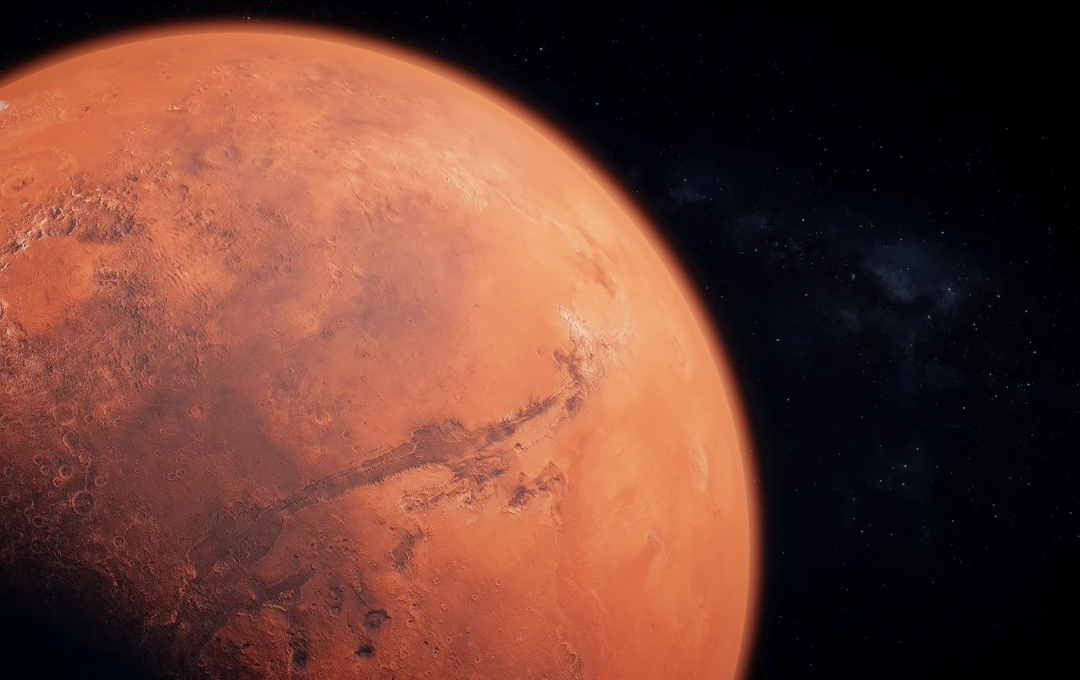
Mars may look familiar, with its mountains, valleys and rusty-red deserts, but its environment is profoundly hostile to human life. Earth’s average temperature is about 15°C, while Mars averages approximately −63°C.
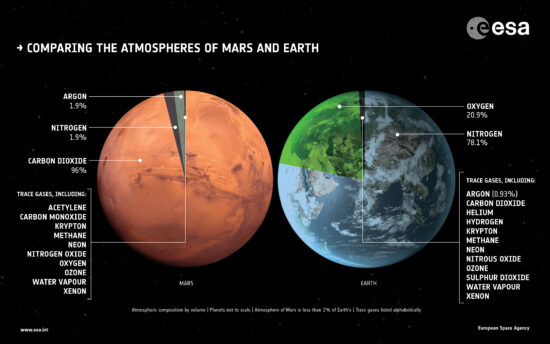
The atmosphere is even less welcoming. Earth’s air supplies the oxygen we need to breathe, whereas Mars’s atmosphere is about 95% carbon dioxide, with surface pressure typically less than 1% of Earth’s. This causes liquid water to instantly sublimate away into vapour. Unprotected, humans simply could not survive there. Astronauts would depend on pressurised habitats and oxygen-supplying spacesuits – systems that must work reliably every moment of every day.
Whilst NASA’s MOXIE experiment aboard the Perseverance rover has demonstrated that breathable oxygen and potable water production from Martian carbon dioxide is possible on a small scale, scaling this up to support a crew reliably over an extended time period remains a major challenge.
Mars is about half the size of Earth, with just 38% of its gravity. A person weighing 75 kg on Earth would feel as though they weighed only 28.5 kg on Mars, although their actual body mass would remain unchanged. The long-term effects of living in such low gravity on bones, muscles and the circulatory system remain uncertain.
Then there is radiation. Earth’s atmosphere and magnetic field protect us from much harmful space radiation, but Mars lacks a global magnetic field like ours. Settlers would need heavily shielded shelters, potentially buried deep beneath Martian soil. Dust storms can blanket vast regions for weeks on end, reducing sunlight and coating equipment. Accessible water is scarce, food must be grown or transported, and Martian soil contains perchlorates, chemicals that can be harmful to humans and complicate agriculture. Almost every necessity, from oxygen and drinking water, to warmth and electricity, will depend entirely on technology.
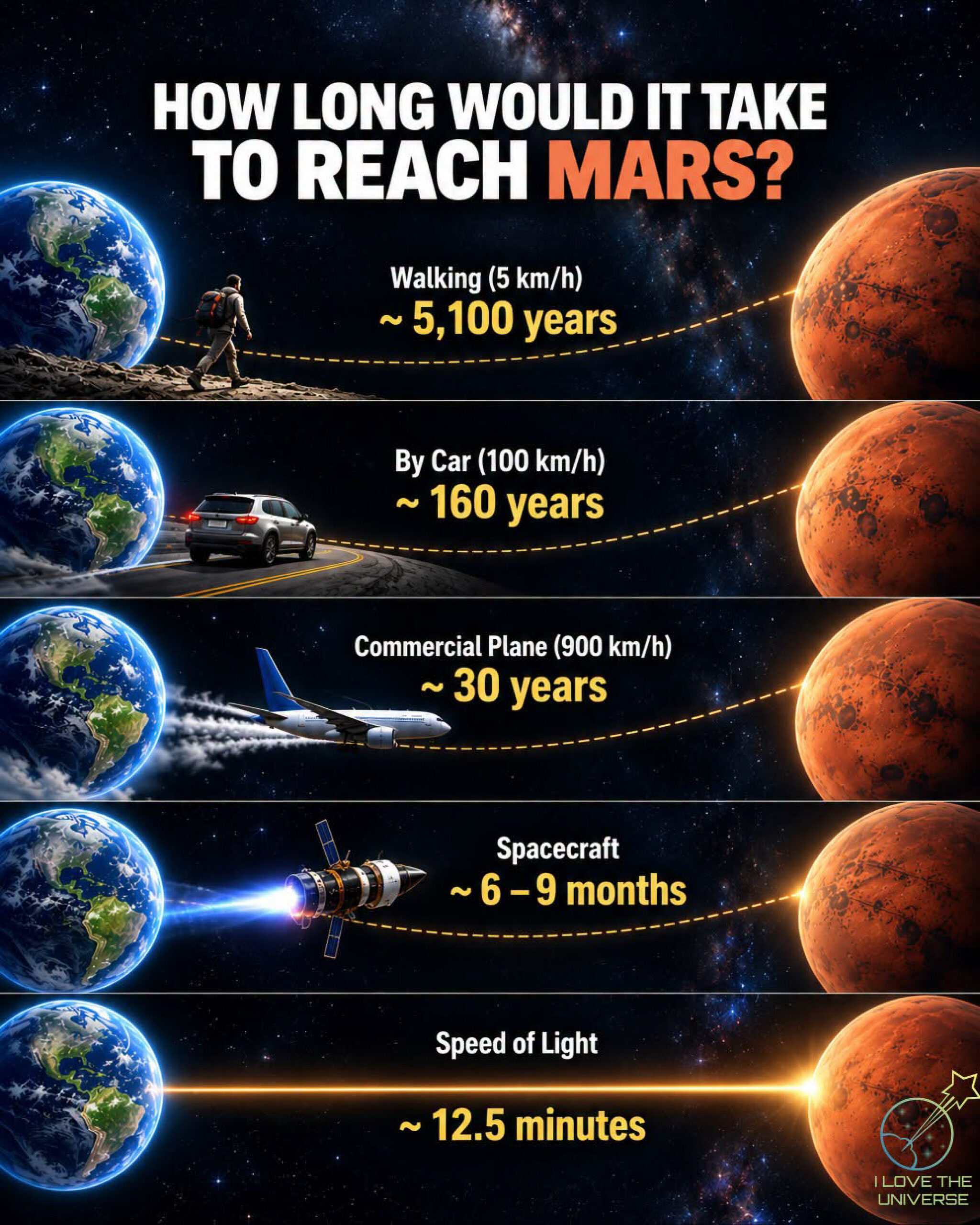
Reaching Mars typically takes six to nine months each way. After a long journey, astronauts would face an extended stay in an environment where a minor malfunction could become life-threatening. A failed oxygen generator, damaged spacesuit, serious injury or illness, could put the entire crew at risk. Doctors on Earth might know how to help, but communication delays prevent real-time advice, and a rescue mission would be extraordinarily difficult, expensive and potentially take at least a year to arrive.
This is why CHAPEA matters. On Mars, a broken machine cannot be fixed by calling a technician, a medical emergency cannot be solved with a quick trip to hospital, and a difficult day cannot end with a walk in the fresh air.
Humans have demonstrated that we have the technology to explore the solar system, but surviving on the Red Planet will require more than courage and a good spacesuit. It will demand reliable technology, careful planning and people capable of keeping their bodies and minds working together in one of the most unforgiving environments imaginable.
Ben Coley / Celestial Events SA can be contacted on 079 575 0900.