
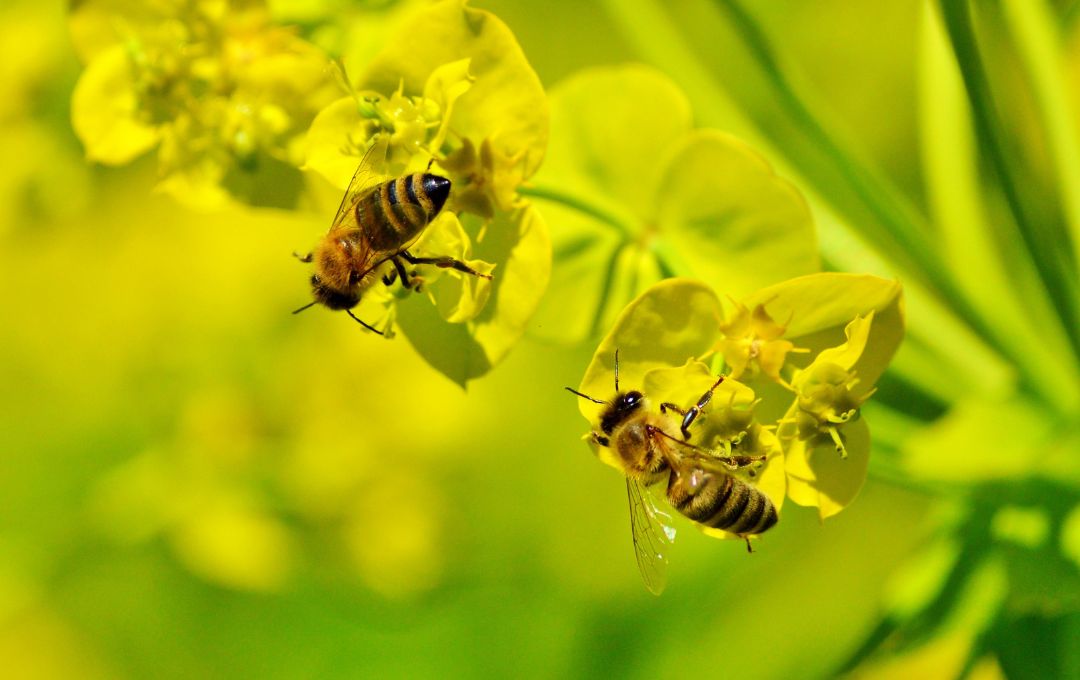
In a world bustling with countless species, identifying the single most crucial creature on Earth is no small feat. However, a rising number of scientists, environmentalists, and farmers are rallying around an unexpected candidate: the humble bee. While larger, more charismatic animals often steal the spotlight, these small insects are the unsung heroes maintaining the intricate web of life that supports us all. Wildlife experts and scientists now warn that bees are facing significant threats and have been classified as endangered.
While it might seem overly ambitious to crown a single species as the most important, the evidence for the bee’s pivotal role is overwhelming. In a world often captivated by the charisma of elephants or the intelligence of dolphins, a tiny, buzzing creature is quietly orchestrating life as we know it. The bee, often overlooked, is the unsung architect of our planet’s ecosystems. Without their tireless work, our world’s food supply, biodiversity, and even our very survival would be in peril.
These industrious insects are in crisis. Their populations are plummeting at an alarming rate, driven by a perfect storm of habitat loss, pesticide poisoning, climate change, and disease. Colony Collapse Disorder, a mysterious phenomenon that causes entire bee colonies to disappear, has become a growing concern. The consequences of this decline are far-reaching, threatening to unravel the intricate tapestry of life.
Pollination: the foundation of life
At the heart of their significance lies pollination, a process essential for the reproduction of countless plant species.
As they flit from flower to flower, collecting nectar, bees inadvertently transfer pollen, enabling plants to reproduce. This essential process underpins the production of countless fruits, vegetables, and nuts. A world without bees would mean empty supermarket shelves, a drastic shift in our diets, and food prices would skyrocket.
But the impact extends far beyond our dinner tables. Bees are crucial for maintaining biodiversity. Wild plants, the foundation of many ecosystems, rely on pollinators for survival. A decline in bee populations can trigger a domino effect, with devastating consequences for wildlife and the environment.
An economic powerhouse
The economic value of bees is staggering. The pollination services they provide are estimated to be worth billions of dollars annually. From almond orchards to apple farms, agriculture relies heavily on these tiny insects. A world without bees would mean economic turmoil and food shortages.
A call to action
The urgent crisis facing bees demands immediate and decisive action. We must shift to sustainable agricultural practices, significantly cut down on harmful pesticides, and establish protected habitats where bees can thrive. It is essential that governments, businesses, and individuals must collaborate if we are to make any inroads into this problem.
The future of our planet is deeply intertwined with the survival of bees. By safeguarding these crucial pollinators, we are not only preserving our food supply and ecosystems but also ensuring the well-being of future generations. Now is the time to give bees the respect and protection they deserve—their role in supporting all life on Earth and their survival is critical and cannot be overstated.
More information is in Tim Baynhams’ article “Expanding on the humble bee …” in this edition.


