

Cold winter nights have been dominating much of the month and the savannah has been dealing with temperatures it simply isn’t used to. Frigid mornings, middays and afternoons, have spent the month barrelling past us in their three-to-four-day spells, as cold front after cold front floats across the country. With the wildlife coping better than the humanity at its doorstep, for the fortunate few the option of popping down to the warm east coast has been both a lifeline and a promise of hope.
Despite being within relatively easy reach of the Lowveld, the amount and variety of birds and wildlife available are not to be laughed at, even now, during the driest of times. With it’s more tropical climate and humid coastal waters, the lush haven of Zululand, a tiny little corner of South Africa, has much to offer those who need a mid-winter break, and a place that generally holds its temperature to some degree.
For the overall tourism enthusiast, the beaches are beautiful and the jungles tropical, while for those who travel to enjoy wildlife, there is much to appreciate and much to discover. For those after bigger mammals there are fantastic game reserves like Hluhluwe-Imfolozi and Phinda. Here there are beautiful and rare reptiles to be found, there is great diving offshore, and of course there are some cracking locations for birding.
Starting off in the major hub of Durban, sanctuaries like the local Pigeon Valley Nature Reserve offer a wonderful quiet walk through the park with its paths and benches, but it also lays claim to sought-after birds like the green twinspot, buff-spotted flufftail, grey waxbill and in winter only, the rare and endemic spotted ground thrush. Other areas in town that are great for birding and relaxing include the Umdloti River mouth with its regular osprey, pink-backed pelican, Caspian and swift terns, as well as the chance at something strange or unusual. The Knysna warbler is another endangered species that has begun to spread into this area and now areas around Kloof offer some of the best chances in the entire world to see this dull but enigmatic “little brown thing”. A skulking bird, it is defined as one which doesn’t naturally like to reveal itself. Some say secretive, but skulking is like secrecy with purpose, and this little mouse-like warbler has left tears in the eyes of many who attempt to see it.
Despite often being in mind-bogglingly close proximity, it is amazing how a bird, such as this, or as a flufftail, simply cannot be seen. Spending time in these havens for special species offers a great way to break up a family visit, from an otherwise completely urban city break, while picking up on species that might be here today but gone tomorrow.

Moving away from Durban to the north takes one, within a short 90 minutes, to the hallowed ground that is Eshowe and the Dlinza Forest, famed among birders and an easy day trip from the big city. This lush and uniquely accessible Afromontane forest offers a range of mouth-watering specials that include year-round spotted ground thrush, and the isolated eastern bronze-naped pigeon, as well as forest classics like narina trogon, grey cuckooshrike, yellow-throated woodland warbler, dark-backed weaver, black-bellied starling and much more. A mere two hours from town, the small estuary town of Mthunzini offers a great overnight trip from Durban, and is laden with fantastic local spots which can be explored for wonderful birds. Birds in town include the purple-banded sunbird, white-eared barbet, yellow-rumped tinkerbird, palm-nut vulture and for the lucky, southern banded snake eagle.
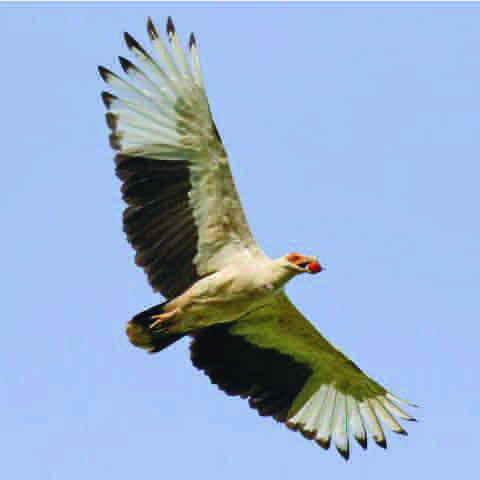
During the winter months the Umlalazi Nature Reserve on the town’s doorstep, holds the country’s most reliable mangrove kingfisher population in winter, while in summer the moist grasslands lay claim to black coucal, African crake and the beautiful red-headed quelea. The nearby Amatikulu Nature Reserve has a good population of swamp nightjar while the Sappi Stanger wetlands often offer a surprise or two. The most important location, near to Mthunzini, is undoubtedly the sacred oNgoye Forest, up on the fringes of the escarpment a mere half an hour from the highway. The target here is the infamous green, or Woodward’s barbet, which can only be found here on this one mountainside. There are a number of Birdlife community guides who service these areas and can offer all the major attractions over a very short period, with most being attainable over a single day.
Stretching further up the coast takes one to the tourism hub of St Lucia, a town with a fantastic array of activities available. From midnight turtle-nesting (December) and hatching (March), to epic whale-watching in summer, to game drives in the nearby Isimangaliso Wetland Park, the town has a lot to offer. The iGwalaGwala trails go through a wonderful short forest trail that holds Livingstone’s turaco, Woodward’s batis, Rudd’s apalis, southern crested guineafowl, green malkoha, and in the crepuscular hours, both the endemic brown scrub robin and the skulking and reclusive buff-spotted flufftail. The flufftails have a number of hotspots in town from the Sugarloaf Campsite to the Ezemvelo office garden, but it is never easy to see. Night drives from town can yield the scarce but beautiful swamp nightjar, but care must be taken to separate it from the more numerous square-tailed nightjar, which shows one or two whitish bars on the folded wing.
The estuary holds its fair share of summer waders and is always capable of turning up a vagrant or scarcity, with sooty tern being recorded several times annually. More regular species include greater flamingo, swift tern, little tern, white-fronted and sand plover, and the more common inhabitants as well as brimstone canary on the sand dunes, and black-throated wattle-eye on the relatively busy boardwalk.
The wetland park is excellent in summer for breeding birds and migrants alike, some of which are still present in winter – while the telephone poles and dead trees often yield a sighting of the globally threatened southern banded snake eagle. Due to the amount of dangerous game in the area, such as hippo, elephant and buffalo, much of the birdlife in the park goes about their lives unnoticed. There are good birds that can be sometimes found, including greater painted snipe, lesser moorhen, lesser jacana and rufous-bellied heron.
Further and further into Zululand, and things become more and more tropical with great spots around Mkuze and Bonamanzi being famed for years. These are both excellent destinations which harbour many of the regions’ specials in their sand forest and mixed mosaic of other habitats. Some of the best birding however, takes place outside of these areas, with the Royal Thonga Safari Lodge holding the best range of specials. African broadbill, Neergaard’s and plain-backed sunbirds, eastern nicator, pink-throated twinspot and many others already mentioned, can be found in a day or two spent here. While other more infamous regions might have some of these, they lack the full compliment. Pel’s fishing owl is a rare resident in the Mkuze area, and the best way to see this tricky and unpredictable bird is to hire a local guide for a day, who keeps tabs on the birds’ movements. Even still, luck is needed to see this species.
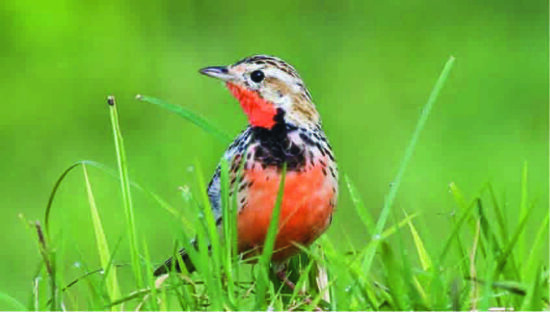
In the more rural areas of this, now Thongaland region, birds like the lemon-breasted canary are top priorities, while large open pans like those found in the Nibela peninsula and around Lake Sibaya, offer excellent chances at the rare and gorgeous rosy-throated longclaw. This bird is found in its slightly-flooded habitat niche at the verges of these large waterbodies. Other species that can be found at places like these are birds such as collared pratincole, great white pelican, grey-rumped swallow, and African quailfinch; and in winter there have been sporadic records of both black-rumped buttonquail and short-tailed pipit.
From estuarine or coastal species, to those found in the humid jungles of the coast and mist-belt, the northern realms of Kwa-Zulu Natal have much to yield those brave enough to face the humidity. With a major collection of year-round specials and unique species, Kwa-Zulu Natal is a truly fantastic winter destination for both local birders and those from further afield.


